

Book Cook: Poached, Plus
Welcome to Gourmet magazine, an independently owned digital food magazine that’s not affiliated with the Gourmet magazines of yore. Our Thursday editions are where we feature a great new recipe. Tuesday is for features.
IN THIS ISSUE: Cale wants to hear about the Taix of your city and Alex sings the amba blues.
Appetizers
Ship’s Passing
Pickle purveyors and delicacy dealers across Southern California are tragically reporting that Ship Sliced Mango Pickle, one of the only brands of a condiment called amba sold stateside, is missing from their shelves. For many brown households, amba is a beloved, essential condiment that tops dishes from scrambled eggs to kubbah. It’s an Iraqi-style pickle of mangos in vinegar, mustard, chili, and often fenugreek, and it’s primarily available internationally via two Mumbai-based brands, Ship and Camel. Lotta history there that the pros at Vittles have covered.
The last time I was at India Sweets and Spices in Atwater Village months ago, the clerk gently informed me that her distributor may have mentioned that Ship doesn’t exist anymore. I called Seta at Jordan Market of Laguna HIlls, where our family has purchased it since I was a kid, and she told me the distributor stopped carrying it and never explained why. Ditto a Westwood Iranian grocery store. Thritto at Spice District, which has since taken over the Atwater Village Sweets and Spices space—though Hardeep told me that they have “many more delicious mango pickles” in stock, should I like to come in and browse.
Bless you, Hardeep, but the Ship bottle is clear: “BEWARE OF IMITATIONS.” My heart is at sea. Does this absence of amba mean that my beloved Ship has sunk? Calls, emails, and IG DMs to Ship’s manufacturers Poonjiaji’s Spices have gone unanswered.
Readers: are you able to get Ship at the Arab, Indian, or other grocery store where you live? SOS!!!! —A.T.
Any-Taix, USA
While I was reporting Tuesday’s story about the final night (for now) of the L.A. restaurant Taix, someone suggested that New York’s version of it might be China Chalet, a now-defunct Chinese restaurant that transformed into a seedy nightclub at night for the 2010s art scene elite. I’ve considered it further, and maybe it is actually Spain Bar, an also-dead spot where the cheap sangria came with complimentary patatas bravas and albondigas. (Time Out New York wrote in 2010: “Wonder what Spanish dining was like in the city some 35 years ago? The red-jacketed waiters, tan-vinyl banquettes and irony-free copies of Goyas and El Grecos don’t seem to have changed a bit here,” to give you a general sense.) My friend Thais’s vote is Forlini, a since-closed red sauce joint I sadly missed the boat on. But the world does not revolve around New York and L.A.! I imagine every city has its own weird, old, beloved spot that has that certain je ne sais quoi. When I went to college in Portland, a spot called Chopsticks may have been it? What is (or was) the Taix of your city? Email us! —C.G.W.

Book Cook: Poached, Plus
By Emily Fiffer
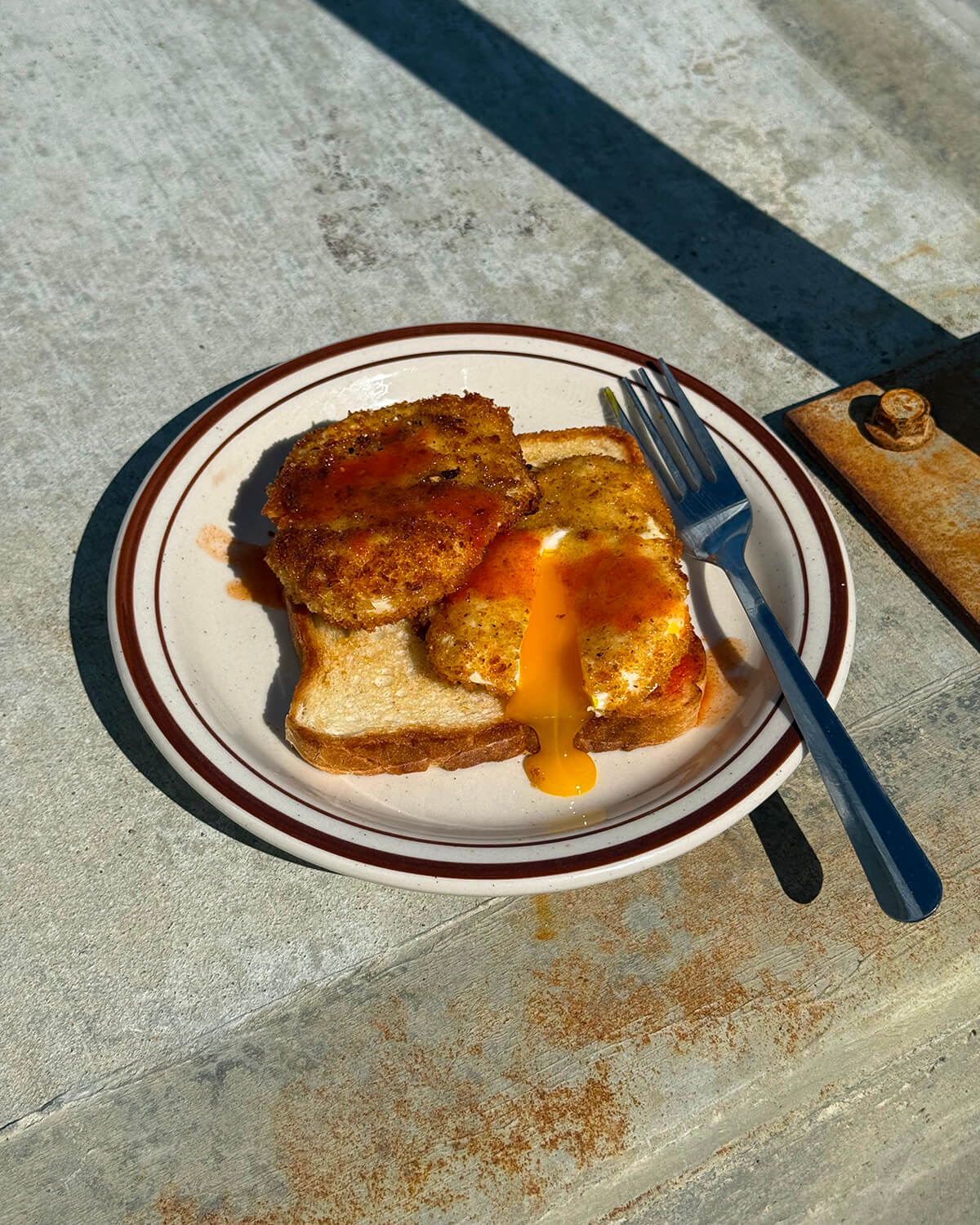
Poached eggs, or fried? Marion Cunningham doesn’t think you should have to choose.
Welcome to Book Cook, a column in which cookbook nostalgist Emily Fiffer takes a meander through her collection and presents a gastronomic gem that time forgot. Moving forward, this column will be a monthly weekend treat reserved for subscribers at the Epicurean level and above—you can upgrade your subscription here—but to get things started we’re sending it out to all of you. Here’s Emily:
The Breakfast Book is more than just a cookbook; it’s a philosophy. Its author, Marion Cunningham, was born in La Crescenta, California, in 1922. Fifty years later and living in the Bay Area, she—a housewife with a penchant for food—took a cooking class with James Beard and made quite the impression. She soon became his assistant and, after he recommended her to update the classic Fannie Farmer Cookbook, catapulted to fame.