

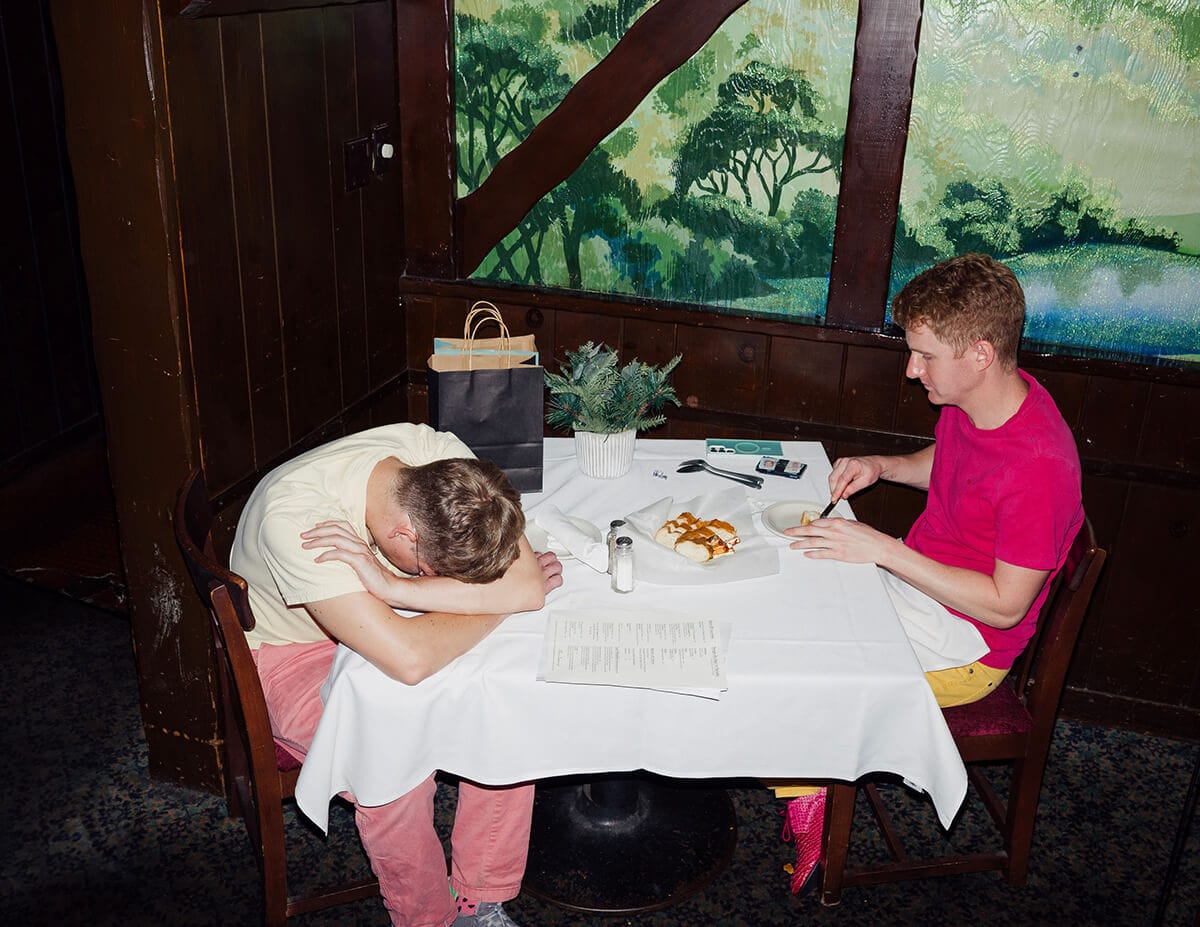
Death & Taix: La Fête Finale
Welcome to Gourmet magazine, an independently owned digital food magazine that’s not affiliated with the Gourmet magazines of yore. Our Tuesday editions are where we feature great writing about food. Thursday is for recipes. This post is a rare full freebie. Read! Share! Tell your friends to subscribe!
IN THIS ISSUE: Howdy from Los Angeles. A glam restaurant bib, Cale’s nom noms in La La Land, and Sam picks a small bone with food media upstart Caper.
Appetizers
Bib Gourmand
Presenting an incredible find from newly minted FrOG (Friend of Gourmet) and L.A.’s high priestess of restaurant criticism, Tejal Rao:
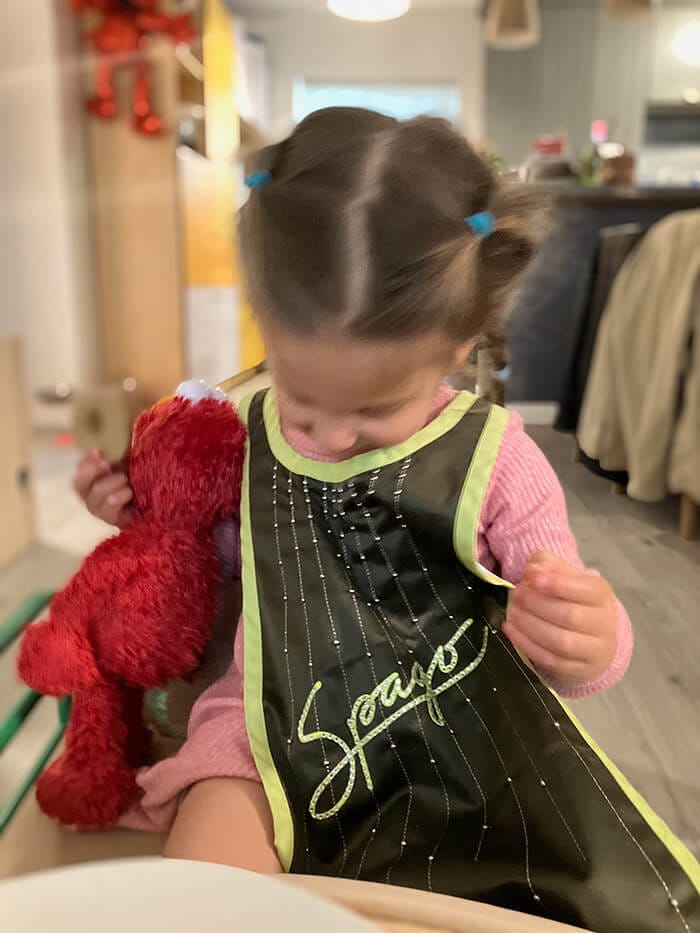
Rao tells Gourmet that her partner returned from a Beverly Hills estate sale with this remarkable bejewelled Spago bib. (For the unfamiliar, Spago was, while not exactly Wolfgang Puck’s entrée to entrées, the restaurant that catapulted his smoked-salmon-pizza-slinging “California cuisine” to celebrity heights.)
Rao cautions that the bib is longer than a child’s dress and fits her own neck easily: Spago likely didn’t produce them for the dribbling set. But what chi-chi crab boil or spaghetti slurping affair prompted the creation of this luxurious defensive neckwear? Please write in if you know anything about this bib’s history!!
P.S. The estate sale contained the effects of Patti and Stanley Silver, founders of the defunct boutique shoe destination Fred Segal Feet (“Feet Visionaries from 1970–2010”) —A.T.
What? I Ate!
While in Los Angeles this past week, a funny thing happened multiple times: people I didn’t know would complain to me about how the city was dead. Many added that its restaurants are no longer interesting. Well I beg to differ! In the hopes of resurrecting L.A. culinary pride, here’s an abridged list of what I ate in town last week:
- A fantastic meal at Lapaba, a new joint from Osteria Mozza expats described as an “elegant pasta bar in the heart of Koreatown.” The starters (broccolini on a dollop of tofu, a deeply umami little gem caesar salad) outshined the pasta mains, but the real highlight was the black truffle soft serve dessert. I usually don’t love black truffle. I’m still not sure if I even liked this dessert. But I couldn’t stop eating it in an attempt to suss out the line between sweet and savory.
- A 9:15 p.m. solo reservation at Sqirl, the breakfast and lunch spot made famous (and infamous) for its jam, which is now soft-launching an elegant dinner. I cannot give this an honest review other than to say: don’t dine there alone. The mains, according to the server, are intended to feed two, which left me stranded. While seated at the counter staring at a blank wall, I got a small-bite starter and a mid-sized bean dish I didn’t realize was actually a cold salad. Both were good! I bet the mains are better.
- Tacos Villa Corona: a breakfast burrito for FIVE FREAKING DOLLARS (maybe it was $6.99, I can’t remember), cannot recommend enough.
- Jitlada: our group of seven kept our rule of only ordering from the back half of the menu, which featured very spicy southern Thai delicacies. Over many glasses of BYO wine, we ate I think eight dishes—some soups, some curries, some noodles. Have always said that Jitlada is my favorite restaurant in L.A. (possibly ever?) and I maintain that claim.
- Yes, Erewhon: Yes, I got a smoothie. But I insist that the baked (I assume?) tofu spears are the best pre-made food at the store.
- Speaking of tofu, I gobbled down a hippy sandwich (not what it’s called, but it contained sprouts so you get the gist) at Bub and Grandma’s in Eagle Rock.
- After attending a wedding in the far-off suburb of Camarillo (best known for its outlet stores, which I did peruse), the bleary-eyed post-wedding party got breakfast at a Cracker Barrel. I gotta say: West Coast Cracker Barrels don’t hit the same way as their East Coast siblings. Do not recommend.
- Finally, the Hollywood Farmer’s Market: mostly to Be Seen but also to Eat Fruit! Loquats! Meiwa kumquats! Cherimoya! And celebrity sightings to boot. —C.G.W.
Caper-Baggers
The new and very New York food publication Caper tried to go bicoastal this weekend, posting on their Instagram that L.A. institution Taix “had their last service on Friday.” We know the time difference can get a little confusing, but the beloved French restaurant was, in fact, open until Sunday. Read on for our intrepid reporters’ all-access pass to the restaurant’s final night in its current form. —S.D.

Death & Taix: La Fête Finale
By Cale Weissman
Additional reporting by Alex Tatusian
Photographs by Aleksey Kondratyev
Five hours of chaos and bonhomie on the last night of service (for now) at L.A.’s iconic French institution.
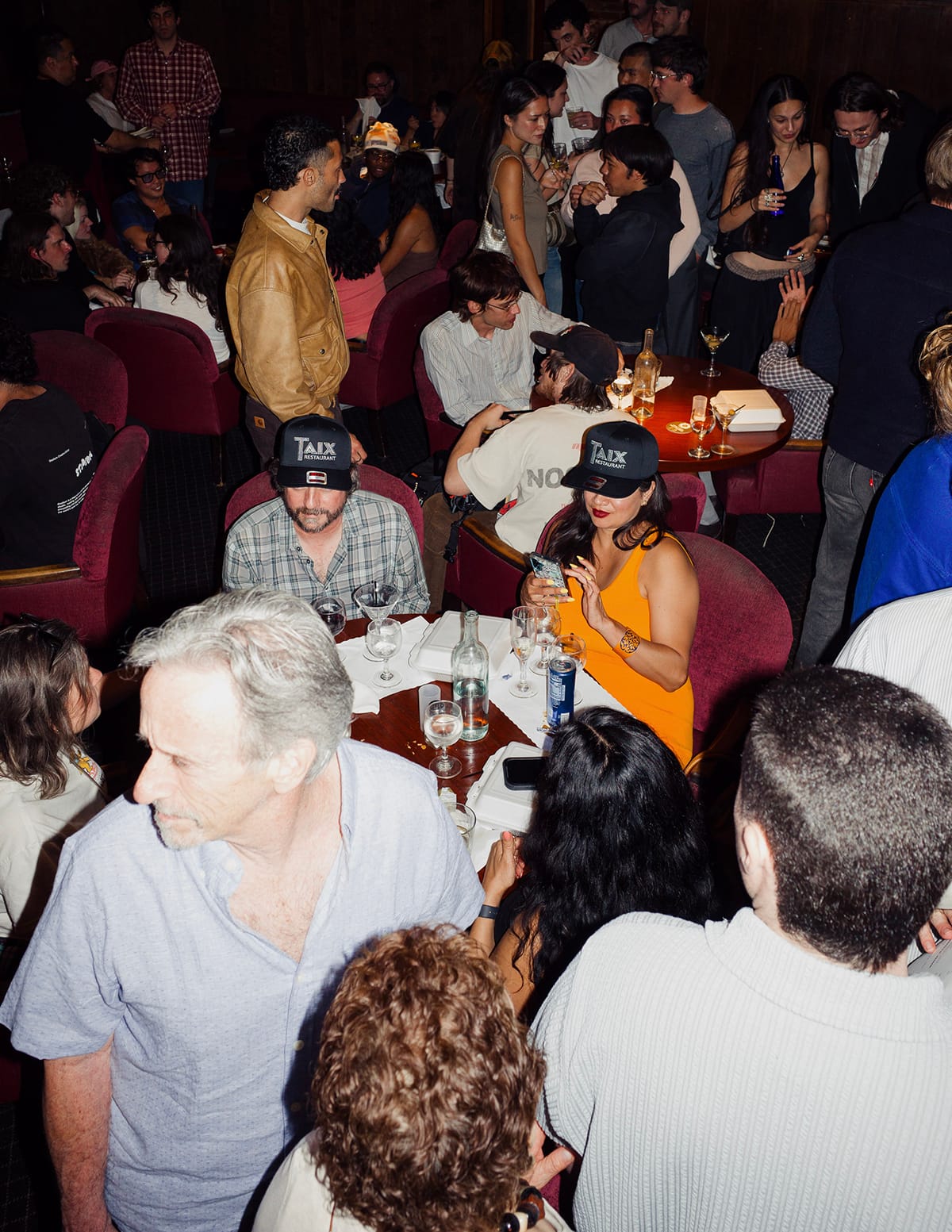
The martinis are flowing, people are laughing, and a few are crying. They’ve come to pay their last respects, or at least say they were here on closing night and partake in some last-ditch debauchery before the wrecking ball swings. They’re getting their last yayas out at Taix, the beloved French restaurant and Echo Park institution that has been teasing closure for over seven years. This Sunday, the day has finally come.
It’s 8:15 p.m. Outside, a throng of twenty- and thirty-somethings is bursting out the door, curving around the valet stand and foaming out into a mass in the parking lot, smoking cigarettes, coupes in hand.
The Gourmet team—me, comrade Alex Tatusian, and photographer Aleksey Kondratyev—fight through the crowd, bypass the hordes in the cavernous, windowless, fireplaced bar, and walk up to the dining room stand to find Karri Taix, wife of owner Michael Taix and the impresario of this final service. Multiple people are trying to get Karri’s attention. Most speak solemnly as if she’s sitting shiva. Some employees are also there anxiously awaiting instructions. The room is packed and hot. An old bearded man, clearly a restaurant elder, is speaking with Karri, boasting about his position at the Los Angeles City Historical Society.
Despite the chaos, Karri wants to give us a tour. The space is soon to be demolished and replaced by a mixed-use high-rise, but Taix remains glorious this evening.
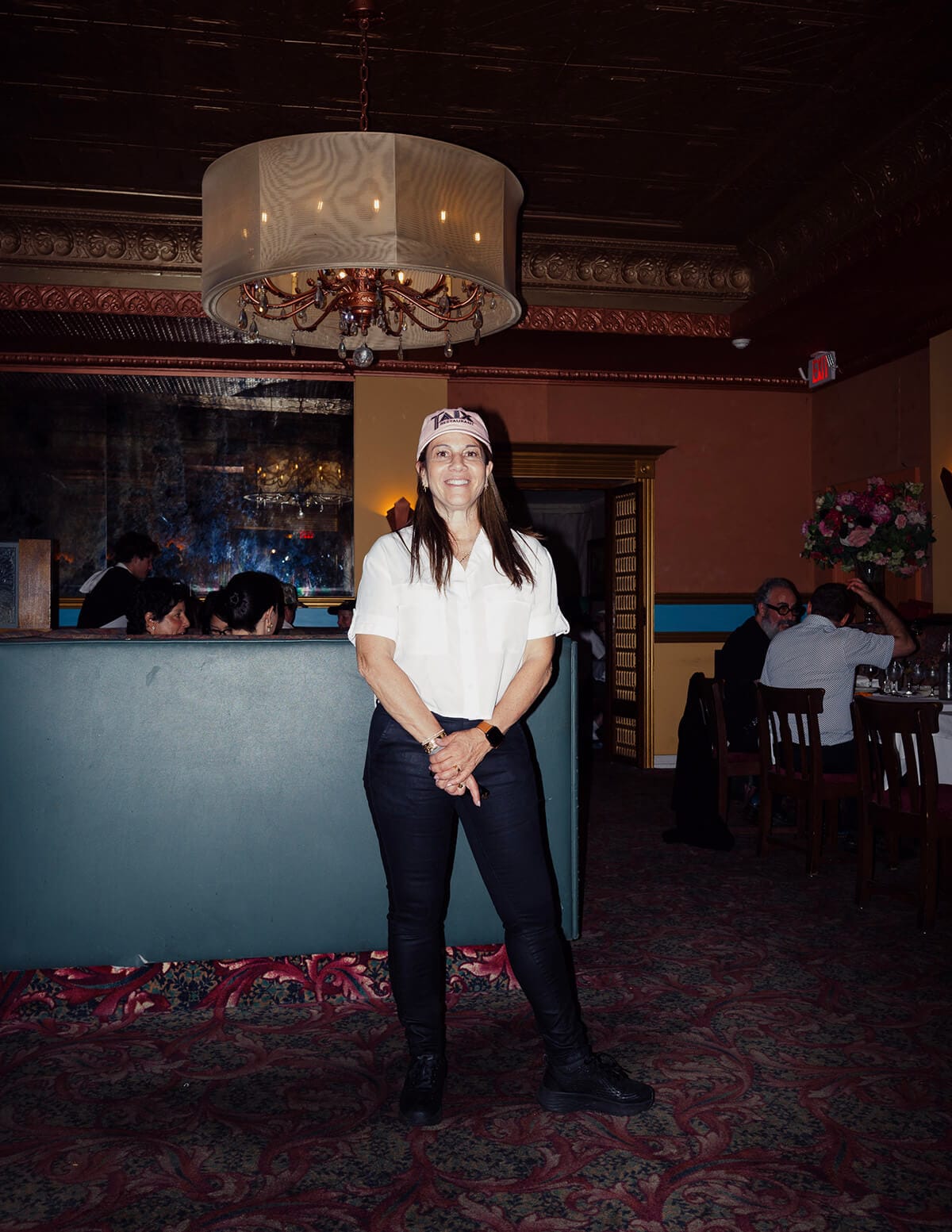
Some history: The Taix (pronounced “tex”) family first immigrated to Los Angeles from France in the late 1800s. They built a hotel called the Champs D’or at the turn of the 20th century, and in 1927 opened a casual French restaurant called Taix French Country Cuisine. This downtown restaurant, located near Union Station, became an L.A. mainstay. And, in an episode similar to this current moment, the building was demolished in 1964 to make way for an office complex. Two years earlier, however, the Taix family had built a second outpost in the then less-than-glamorous neighborhood Echo Park (before the area gentrified, most patrons knew Taix as a waystation en route to Dodger Stadium). Since then, Taix remained, serving large portions of French mainstays like duck à l’orange, frog legs, French onion soup, and, of course, steak frites. And for those that never stepped foot inside, its faux-tudor façade beside a curved portion of Sunset Boulevard has long been a known landmark and reminder of what the city once was (or what nostalgic saps delude themselves into believing it once was).
Taix’s clientele could also be considered a core sample of L.A.’s scenes. There are the septi-to-octogenarian Old Heads who dot the bar chairs regaling the days when the city was essentially brand new; there’s the middle-aged weirdos, generally in the Biz or in the creative field, drinking too much and talking slightly too loud, complaining about how the city is dead and all the good bars have closed; and then there’s the art crew, many too cool to make conversation, mostly there to see and be seen (or write a scene report in their Hip New Food Publication).
But now Taix is saying goodnight. We’re here to document the final hurrah, and also take people’s temperatures about the restaurant’s future plans. After selling the building in 2019, the Taix family has been waiting for the new owner to come in and build a fancy new mixed-use development sporting 170 luxury apartments. Part of the deal is that a new Taix will live in the retail portion of the building, but some aren’t convinced that will happen. For one, 2029 is the anticipated completion date, and a lot can happen in three years. Not to mention, Taix will have to pay market rent, something the business hasn’t done in the last six-plus years since selling the building. So tonight is the farewell to the old building, the old business, as well as another piece of L.A. history.
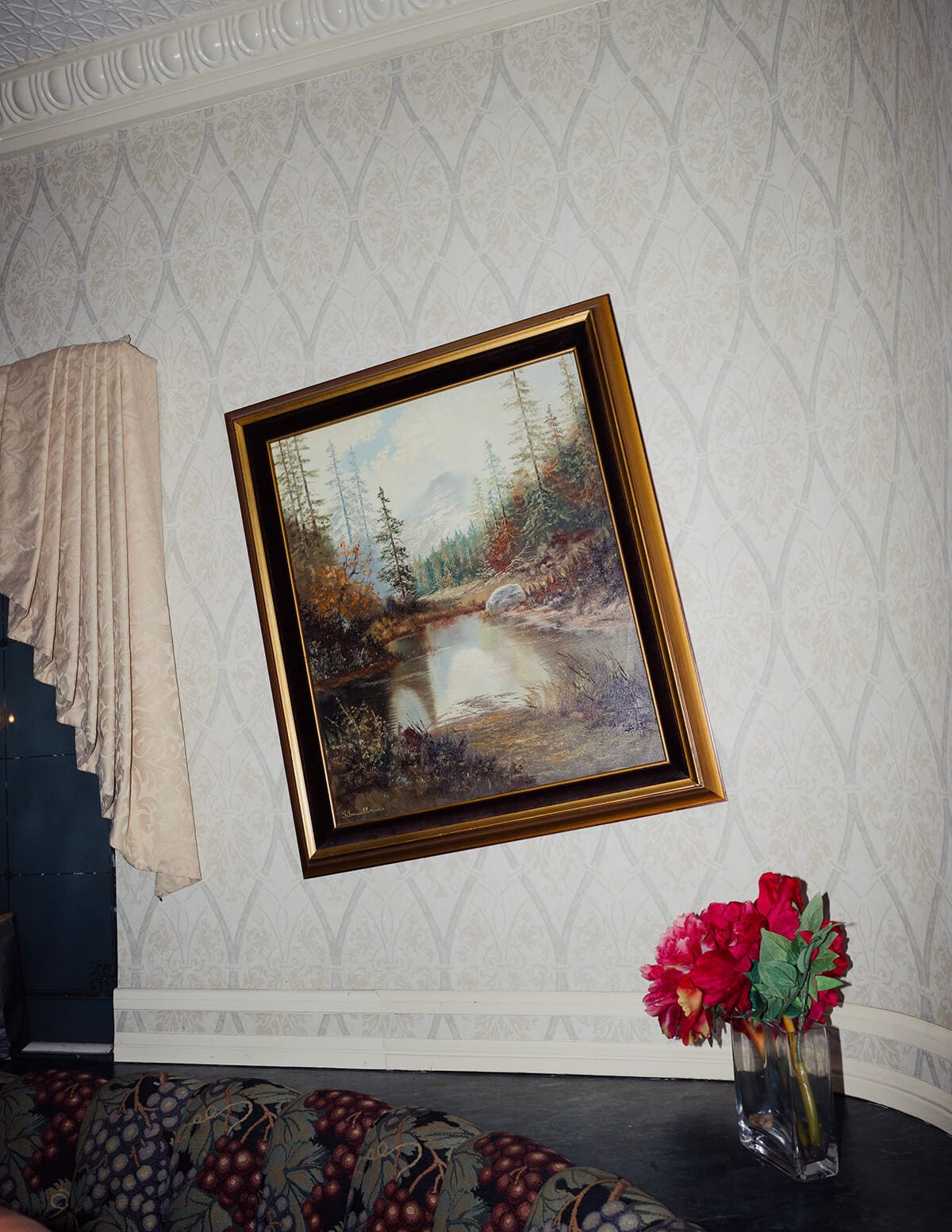
Karri shuttles us through the sprawling, mostly windowless restaurant, half-running, to show us every nook and cranny. Through double doors is the Champagne Room, a stuffy space that could be mistaken for a VFW lodge. Around the corner is the Rhone Room, named for the murals of riverine scenes lining the chamber. Behind that is the Blue Room, featuring aged, rounded booths upholstered with a faded, dark grapevine design and industrial-strength air conditioners attached to huge tubes trying in vain to pump the sweltering air elsewhere. We then reverse course and unlock the Wine Room, which appears to be a Karri favorite. Inside is a welcome refuge of quiet; we take the room in, clearly a VIP section of sorts, featuring mostly-empty bookshelves I gather once showcased the restaurant’s finer bottles. As the pièce de résistance, Karri leads us to the bathrooms. She shepherds us, three men, into the women’s area. “This is the famous bathroom where everyone was stealing the art,” she says. “It’s also the selfie bathroom.”
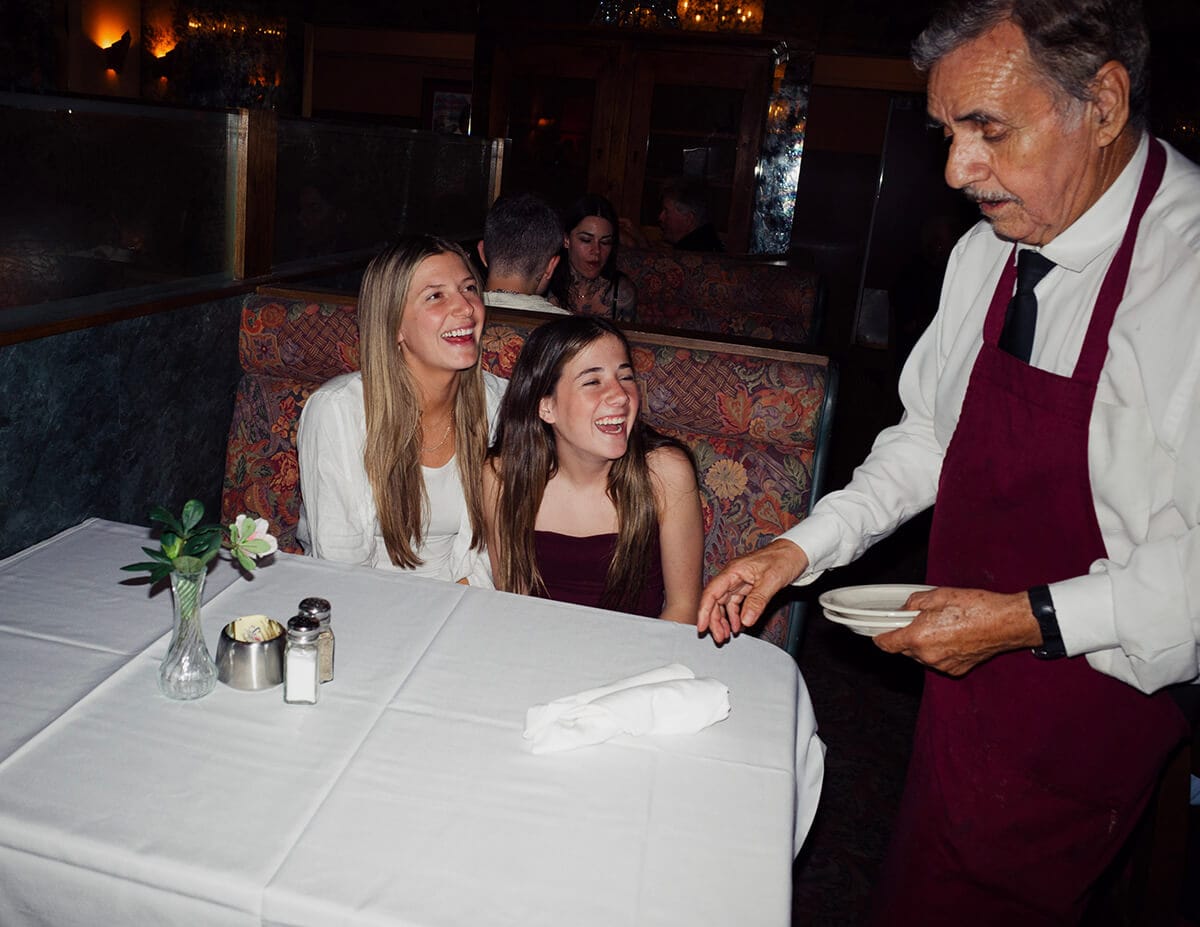
Throughout all this, Karri is pointing out customers—that’s so-and-so, an old friend; this man over there has been coming here for 70 years—who came out of the woodwork for this final Sunday service. “People who never come here anymore, and they’re coming tonight,” she says. Karri then starts in on the servers. “Armando has worked for us for over forty years.”
Karri’s giving us the song and dance because we told her we wanted to write about Taix on this final night, but her tour could double as a eulogy, and triple as an inventory. All along the walkthrough, Karri notes the items she wants to put aside before the building gets torn down. The vintage chandeliers are being saved, ditto a few walls in some of the more beloved rooms. That is, unless some sticky-fingered patrons don’t steal them first, an all-too-common occurrence over the last few weeks (though stealing a chandelier undetected would be a feat worthy of a presidential pardon).
I should stop here and say that I am probably not the right person to tell this story. It becomes clear throughout the night that Taix is a lightning rod for all things L.A. It’s the nexus of older Angelenos, middle-aged weirdos, and young art hipsters all claiming their spot in quote-unquote authentic L.A. culture. And its very destruction brings up conflicting views; the old building is ugly, but it’s also historic, but it’s not that historic, but the new development will make much-needed housing, but it’s also built by a developer, but the developer said it will keep the restaurant, but the restaurant won’t be the same—the restaurant will have windows.
I’ve flown in from New York, but I’m joined by my two Angeleno compatriots. On previous visits, I’ve learned to appreciate Taix as the type of restaurant that could only exist in LA—both cavernous and claustrophobic, fantastical and mediocre, fun and boring (sorry!). Tonight those layers are laid bare, absorbed and contemplated by the overlapping generations seated in different sections, all here to have one last beer and many final martinis (and maybe while we’re at it some champagne and frog legs).
Take Charley Mims, who’s been coming to Taix for nearly 60 years. Mims, the Historical Society man Karri was previously speaking with, is sitting in the Rhone Room alongside his wife. While many tonight are bemoaning the building’s destruction, Mims’s perspective is more subdued. It’s the restaurant, not the building, that is the legacy. “The food is excellent, the service has always been excellent,” he says. “I didn’t like the idea of them closing and tearing down the existing building—not because the buildings themselves are historic, but because they’ve just become such an important fabric of my life.”
Mims brings up a deceased man named Bernard, a name people will continue throwing around throughout the evening. Bernard Inchauspe, a storied Taix server, got his first job at the downtown location and worked at the restaurant for over fifty years. “When I first went out with my wife we went here, Bernard was our waiter, and she thought he was hitting on her because he was French,” Mims says. “He would kiss her hand.”
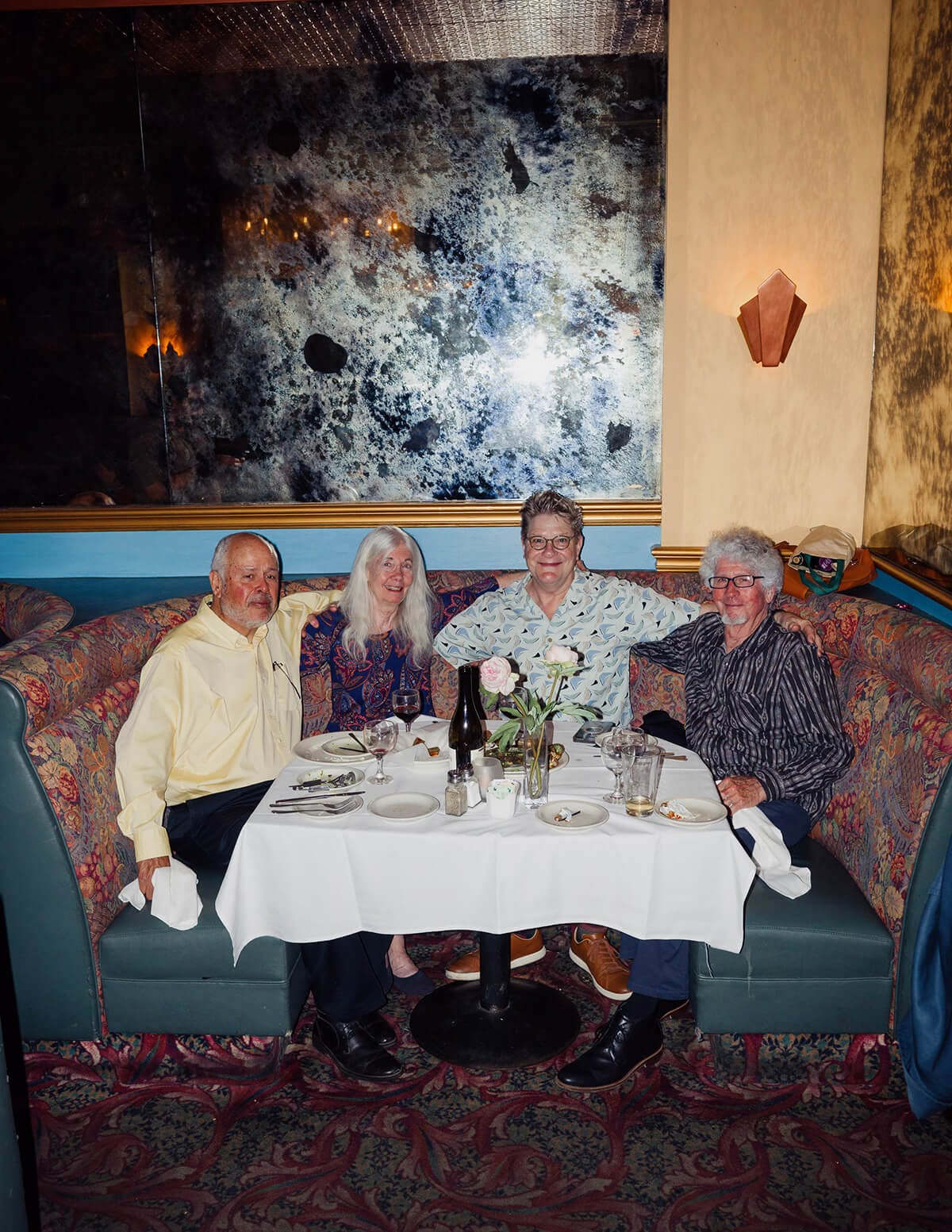
A few feet away another patron has similar memories of Bernard, albeit more scandalous than mere baciamano. “My mother—it was her favorite place because she and Bernard had a romance,” says Drew Dembowski, who grew up in Echo Park in the ‘50s. “Bernard had a lot of romances. He was romancing all the ladies.”
Dembowski, a professional bass player who now lives primarily in Alaska, is wedged into a booth alongside three other bass players, Lisa Gass, Oscar Hidalgo, and Steve Edelman. It turns out I’ve happened upon the semi-regular premier L.A. bass players’ meetup (attended by, I’ve since learned via Google, some very well-respected bass players). The four of them have been dining at Taix for years, none as long as Edelman, who would eat at the old downtown location in the ‘50s and sneak sips of unlabeled wine as a child.
On the other side of the room: A thirty-something film producer named Amanda who has been going to Taix since 2013, when she first moved to Echo Park. She would come after work on Wednesdays to have steak frites and a martini, and soon ingratiated herself with the staff and other longtime patrons (“I love old people; it’s kind of my thing,” she says). Amanda saw the struggle many aging restaurants experienced over the years—beloved by the old, but not resonating with the young. She hosted many parties at Taix, convinced studios to use it for film shoots whenever she could. “When they announced they were closing in I think 2018 or 2019, I initially said I was going to chain myself to the building,” Amanda says, tears beginning to well up in her eyes.
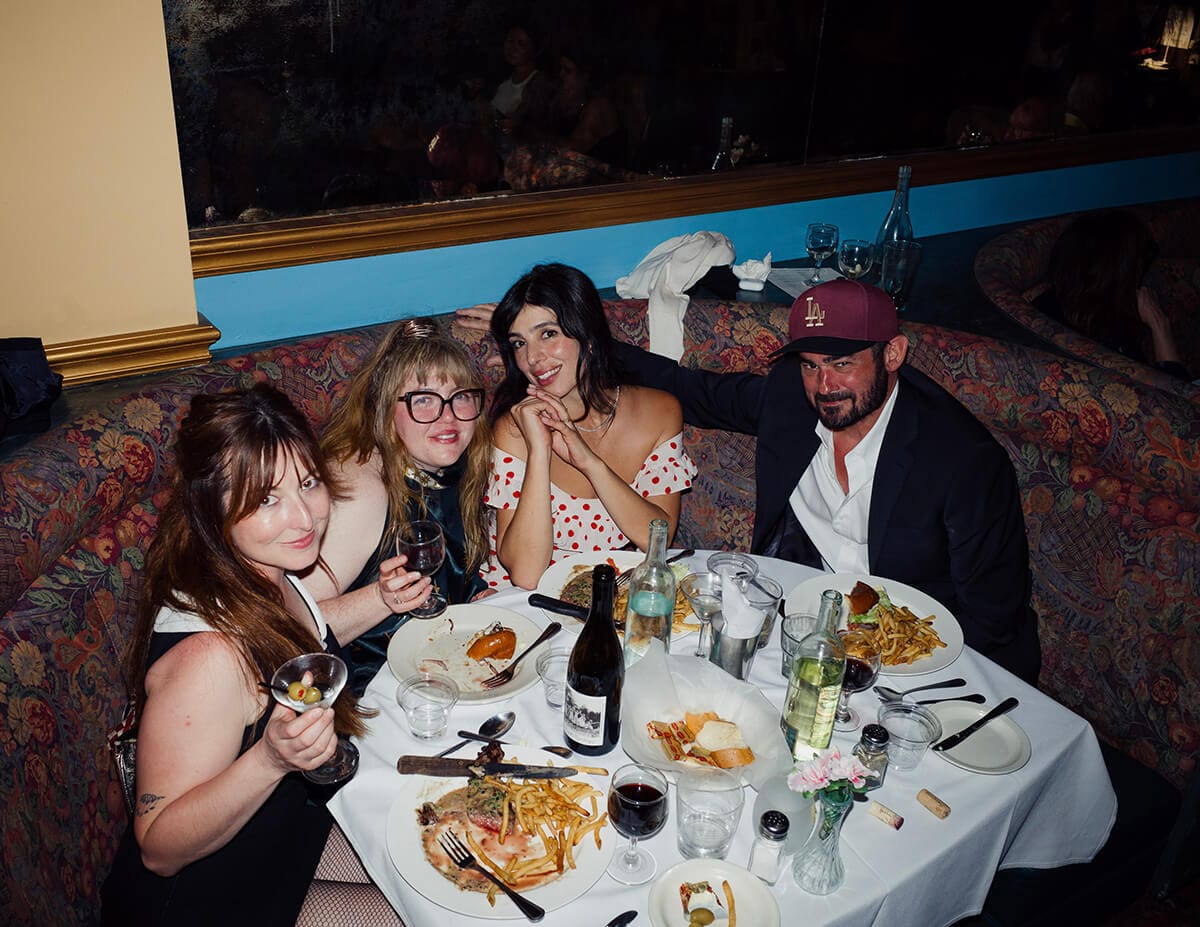
But for Amanda and her friend Alexandra, Taix represents pure unadulterated nostalgia. “It’s L.A. history. It’s the building, the monument,” says Alexandra. “It’s such a beautiful, special L.A. place—you don’t have this much of L.A. left.”
And they don’t think this type of thing can be replicated, at least not in these current circumstances. “I think that putting up a new building in this neighborhood and then having a new restaurant there is a bit pandering—and I frankly won’t be there,” says Amanda. “Unless it is a carbon copy of this, I don’t think we’ll be back.”
These intimate conversations are relegated to the dining rooms. We saunter back to the bar in search of the real debauchery. People are elbow to elbow, yelling over each other and sipping martinis. A group of young men is trying to sit at a table toward the back, but an older woman is deliriously drunk and refuses (or is unable) to get up from her seat. I squint my eyes, and she appears to be keening like an Italian matriarch at a funeral, but then realize she is actually just swaying in her seat due to acute inebriation. Security is unable to make her budge. It looks like she’s talking, but I’m too far away; I wish I could hear what she was saying.
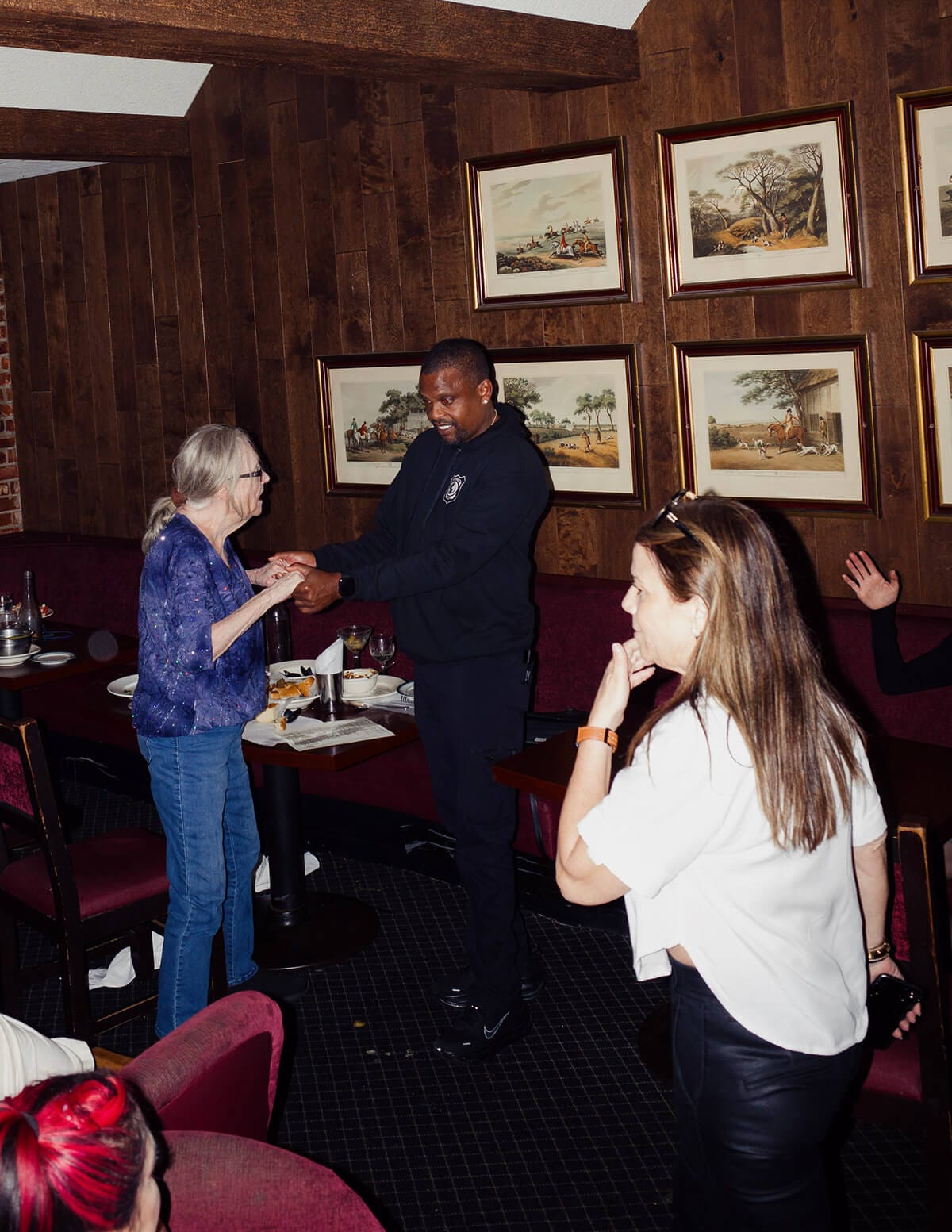
In this room, unperturbed by the drunken drama, are the fashionistas: polyester suits, polka-dotted dresses, a bleach-blond flock-of-seagulls haircut, a Shakespearean white tunic with a collar that drops down to the belly button. One table belongs to dolls with perfectly contoured makeup. Beside them are tatted burlesque dancers with jet-black hair and vintage knee-high skirts. Two tables down is a seven-top of L.A. bros, all drinking beer. Everyone is taking selfies.
We get our martinis and begin to head out to another room, but are interrupted by the fire department hoisting the old drunk woman by her wrists and ankles and carrying her out an emergency exit and into an ambulance. We finally make it to the East Room, all the way in the back of the building, where, all the way in the back of the room and nestled in a booth, are Maxfield Hegedus and Andrew J. Greene, both artists. Hegedus has been coming to Taix for nearly twenty years, Greene ever since he moved to L.A. nine years ago. For Hegedus, Taix was the place where many art circles would congregate. But what made him keep coming back was the fact that, “in L.A., everything changes, and everything is trend-based. So the fact that you could go somewhere and have the same… It was like going to your parents' house,” Hegedus says.
“Maybe there were some weirdos, maybe there were some freaks,” Greene chimes in, “but you’d get a stiff drink, a predictable mediocre cheeseburger, and at a reasonable price.” The weirdos were often part and parcel with the vibe. At a place like Taix, Greene says, you’d go with your friends but inevitably strike up some strange conversation. “There are some real fucking reptiles at the bar who are paying in, like, quarters and they live down the street and they are telling you their life story and you can’t help but listen and maybe you will buy them a drink because they’ll guilt trip you into it.”
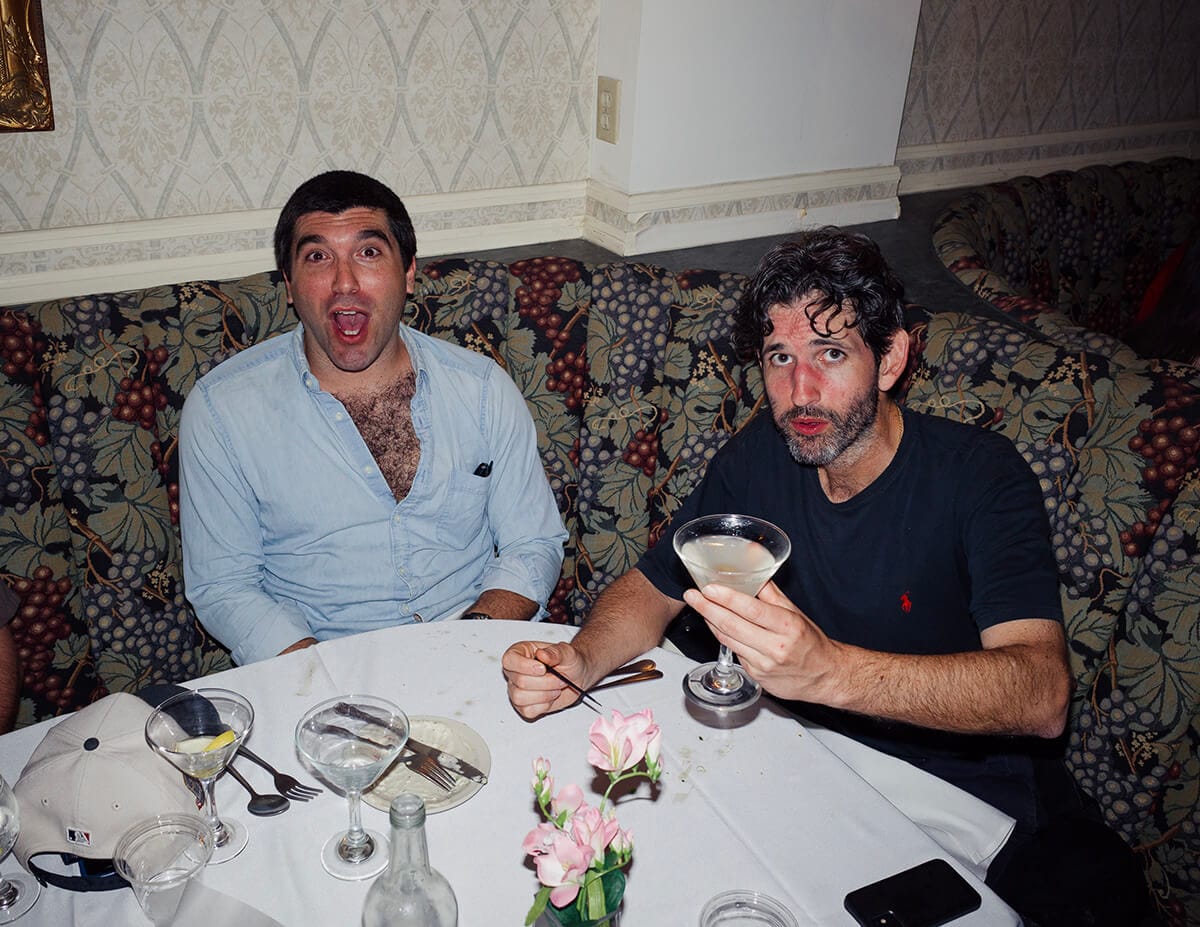
For both of them, it’s the aged environs that make Taix work. The building is mostly windowless, so “it makes you feel like you’re in a casino,” says Hegedus. “You feel like you can invent the world around you in a space like this… it reflects the postmodern spirit of L.A.,” Greene adds.
“The new place is all windows. It’s a hundred percent the opposite,” Hegedus says.
The windows continue to be a sticking point. Architectural historian Daniel Paul sits down at a table Karri has just procured for us. He was one of the many people fighting to keep the building from being torn down, against the wishes of the Taix family itself. Paul wrote a mostly failed landmark nomination to keep the building intact, citing Taix as one of the last remaining “continental dining spaces.” These were higher-end restaurants that riffed on New York’s Le Pavillon, an establishment that opened during the 1939 World’s Fair. Continental restaurants all had a similar aesthetic: the murals on the walls, the white tablecloths, the large chandeliers. But one of the most important parts was the acoustics. “These continental dining spaces were intended to be quiet,” says Paul. “You’re not supposed to see outside in a continental dining space. You’re supposed to feel removed from the outside world.”
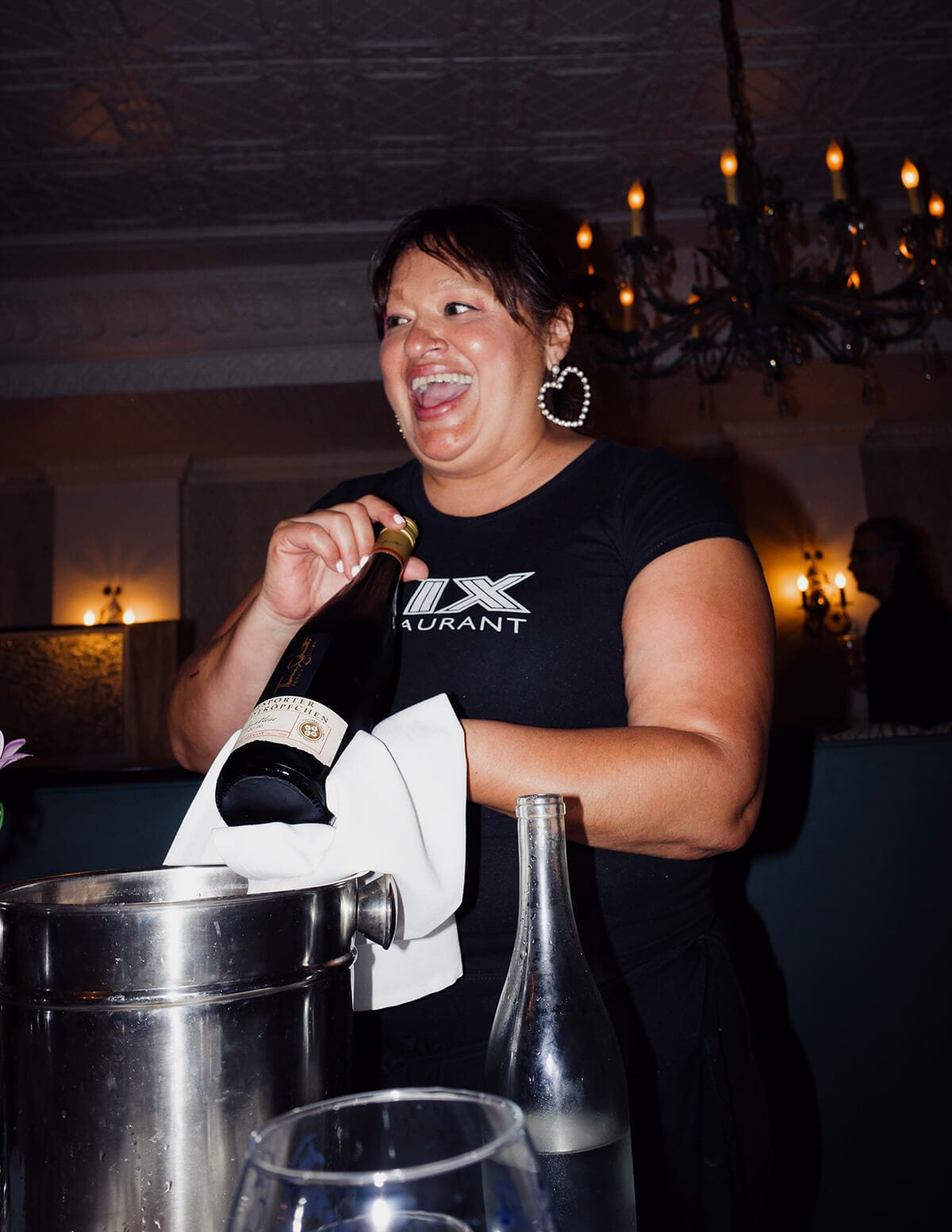
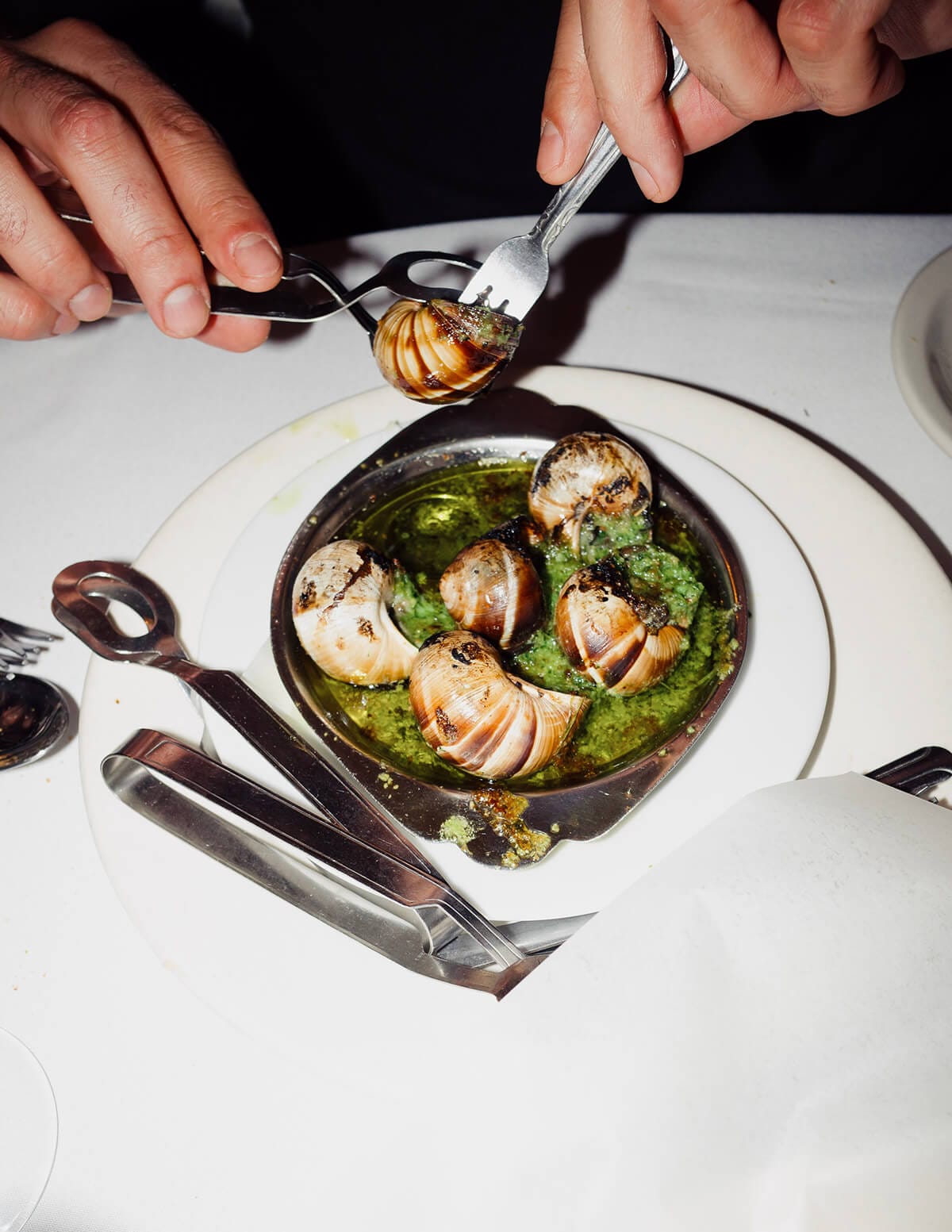
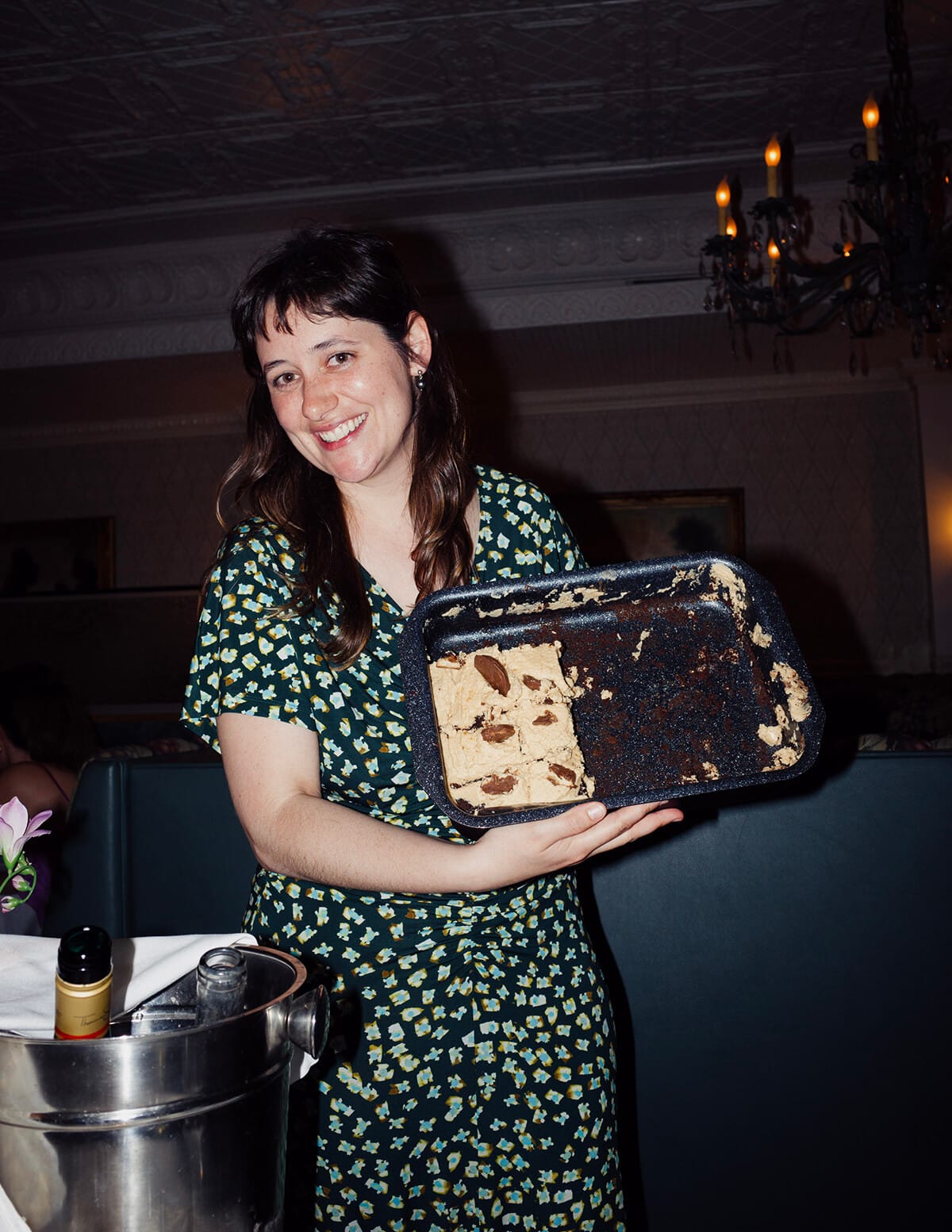
After continuing with a short and enlightening lecture on how we got from continental dining to our current cacophonous gastronomic epoch, Paul leaves the table and our lovely server Karla greets us. She’s worked at Taix for five years, but grew up in the neighborhood and used to come here as a kid. “In 1984 I had my first communion party here, in 1993 I had my high school graduation party here, in 1999 I had my college graduation party here, and now at 51, I work here,” Karla proclaims with a smile. She recommends a $38 bottle of wine and the escargot, frog legs, and coq au vin. We’ve eaten dinner already, but how could we say no to Karla? So we sit and sip the wine, sweet with chlorine notes, and witness two different tables break out into “Happy Birthday,” and each time the entire East Room goes quiet and sings along. Eventually, a woman named Francis comes over with a sheet cake she baked for her husband’s birthday: “Would you like some? I’m going to be honest: I used a cake mix, and then I made a peanut butter cream... but I added Tagalongs!” We finally ask for the check, but Karla refuses, citing Karri’s orders. Our attempts to pay are futile, so we leave all the cash we have on the table and trek outside.
Dozens of people are still smoking, drinking, or waiting for their car. There’s a two-person film crew further down the parking lot filming some sort of scene (I vacantly stare into the camera and realize I am totally ruining their shot). Two older men in bright geometric collared shirts are scoping the scene too: Tiki Heads. Denny Moynahan, AKA King Kukulele, has been a Taix fixture since 1998. Between 2002 and 2004 he performed a monthly show called Tiki Taix. The King recounts seeing a 102-year-old ukulele player perform in the bar while a fight broke out. The centenarian musician reportedly remained unfazed. When asked if he’ll come back to a revamped, rebuilt Taix, Moynahan says he’s worried that a promised new restaurant doesn’t guarantee anything will actually be built. But if it does happen, he goes on, “I don’t think I would avoid a new version—I don’t think it will be the same, but I’d love to see it back in some form.”
Back inside the building, the dining rooms are beginning to thin out, but there’s still a line to get into the bar. In the corner, a group of mostly gays are holding court—I earlier witnessed them swoop in and snag the table the moment that the fire department bounced the inebriated elder. I count ten empty martini glasses among them. It turns out they know the staff here, since they threw some iconic Taix parties. Max Martin launched Social Club in 2015 as a Wednesday party for disparate Angelenos. “It was a place you could just come. You could roll up alone, you didn’t need to know anybody,” says Sam Zimman, who works in the restaurant industry and has frequented these queer-leaning parties since their inception. “L.A. is also famous for being very difficult for people who just moved to L.A. with no connections. And it was this rare perfect little blip that afforded people the opportunity who had just moved here who had no connection to anybody to socialize.” Chas McCarty, probably straight, son of Michael McCarty, owner of the iconic new American restaurant Michael’s, adds that during its heyday Social Club counted thousands of attendees but still maintained its egalitarian, all-are-welcome ethos.
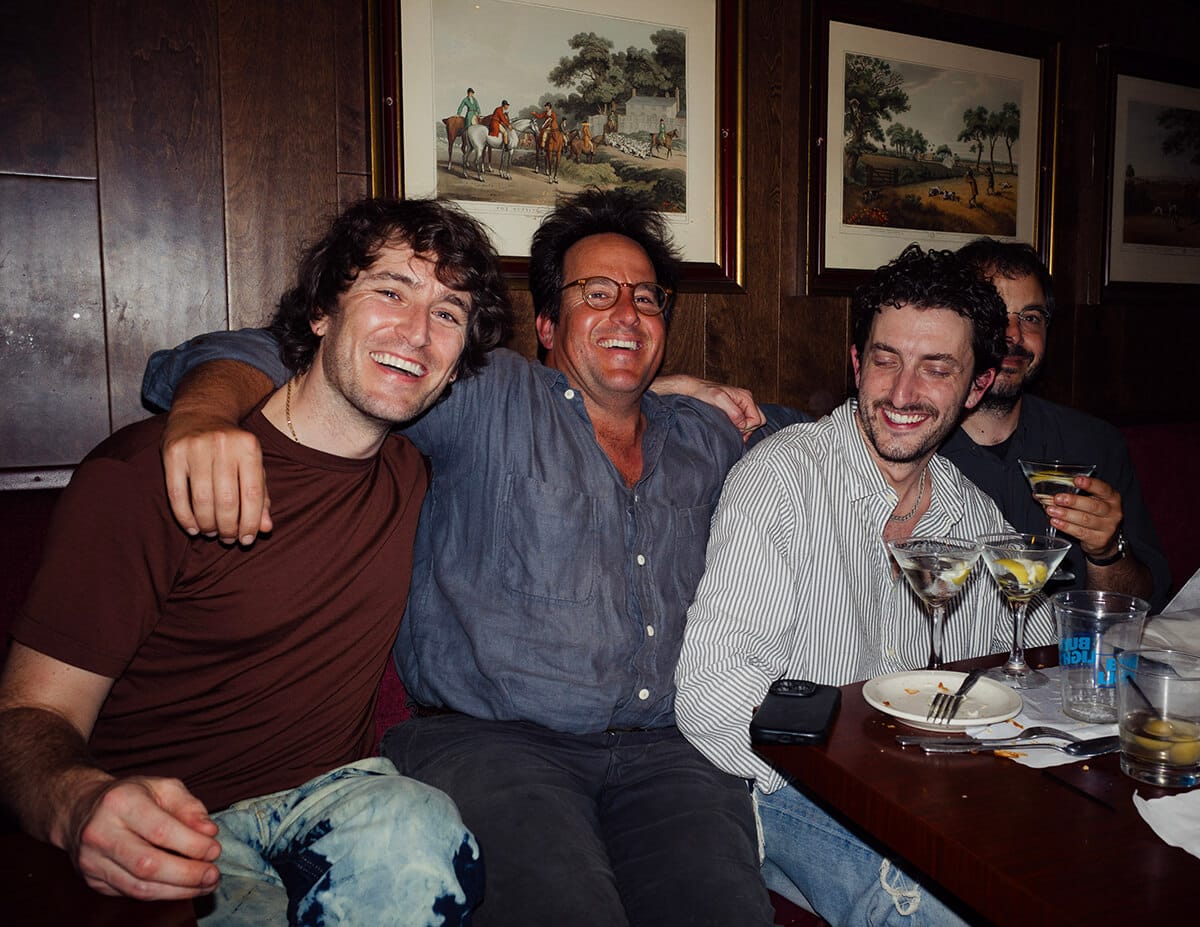
But part of Social Club’s magic was the fact that it was hosted in the Taix bar. “I think this room is very special,” Zimman says. “And the energy of this room and the architecture of this room cannot be overstated.”
With that, the group isn’t so sure the new Taix will recreate the old. “They say they’re going to have al fresco dining underneath expensive apartments where people are going to complain about talking,” says Blaine O’Neill, another gay at the table and co-founder of, um, Gay Guy Night at Taix. “America is fucked right now. The type of people who will spend $4,000 on a shitty new condo above a French restaurant with al fresco dining—they’re going to complain about people talking!”
It’s already past midnight. The party doesn’t seem to be dying down, but I’m getting sleepy. We go up to the bar to get one last martini. We receive three perfect drinks from Monica, who manages the restaurant and has been lauded throughout the night as the fulcrum of the establishment. Most of the Taix family lives in Utah. Monica kept things running and nurtured the vibes. The table of gays didn’t mince words: “Monica is mother.”
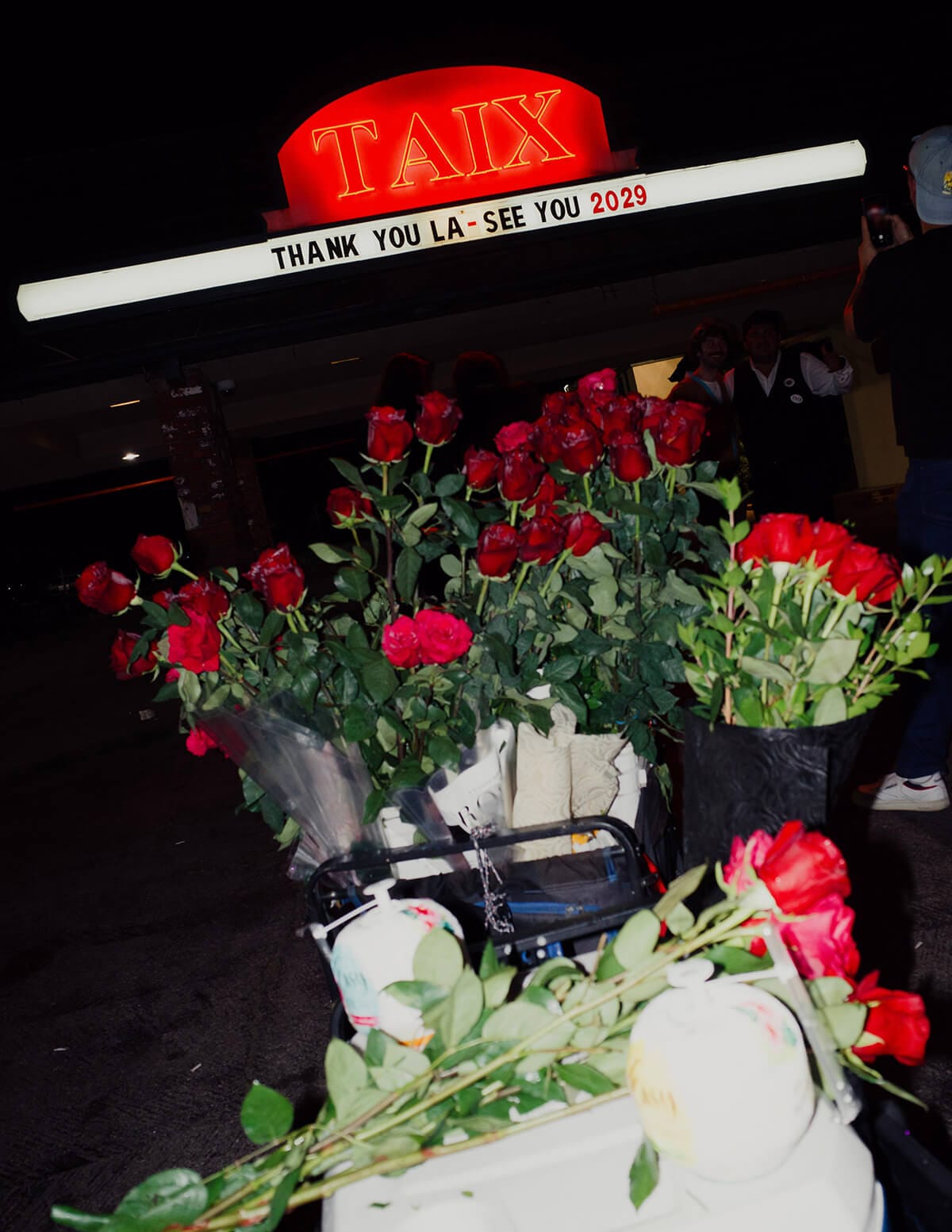
It’s 1 a.m. A group of men is sharing three bottles of champagne in one corner, and Karri is in the process of kicking out another woman (it’s unclear why, but someone said she was trying to “steal a screw from a chair”). Outside, a driverless car is meandering through the parking lot looking blindly for its passenger while women in dresses take selfies in front of the brightly-lit Taix sign. I look at the bar and two men sit alone, both stoically gazing into their phones at an online auction site selling Taix’s wares. It’s time to go.

Cale Weissman and Alex Tatusian are Gourmet worker-owners. Aleksey Kondratyev is a photographer based in Los Angeles whose work focuses on labor, migration, and material culture across diasporic communities between the United States and Central Asia.
NEXT ISSUE: Butter-crumbed (???) eggs