

Cheap, Filling, and State-Subsidized
Welcome to Gourmet magazine, an independently owned digital food magazine that’s not affiliated with the Gourmet magazines of yore. Our Tuesday editions are where we feature great writing about food. Thursday is for recipes.
IN THIS ISSUE: Introducing Deftig Week (scroll to find out what that means), breaking the pad thai ceiling, and Remembrance of Marmalade Past.
Appetizers
กินข้าวหรือยัง
Editor’s note: we reported live from this event over the weekend in our Instagram stories—follow us at @gourmet.lives for future bonus material.
This past Sunday morning in L.A.’s Thai Town, over a thousand people encircled woks as wide as passenger sedans, each diner hungry for a sweet and sour serving of history. As part of the annual Songkran (Thai New Year) Festival, cooks from restaurants around the corner sparked propane burners alongside cooks from as far afield as Maine (and allegedly, even Thailand!) in an attempt to set a world record for the most orders of pad thai fulfilled in one hour. We each paid $35 for entry, a commemorative t-shirt that felt like it was made of plastic, and a potentially record-setting bowl of pad thai.
The city shut down a large stretch of Hollywood Boulevard to traffic for the festivities. On one block, beauty queens strutted for the judges as high school rock bands shredded with purpose. On another, someone in a Muay Thai ring directly in front of the jasmine-perfumed wine bar Tabula Rasa was getting their ass kicked. Beleaguered Los Angeles mayor Karen Bass passed by; when Gourmet asked if she was going to help make pad thai history, she offered a cool-headed “I hope so,” before shuffling away to the main stage to greet the festival’s organizers.
A Guinness World Records official wove through the masses, zipping between stations and observing each cook’s setup ahead of the big countdown. At 11:30 a.m. sharp, takeout containers packed with rice noodles, shrimp, lime, bean sprouts, and peanuts began to fly into the hands of noodle-happy hopefuls. By the afternoon, the tally was in. The record to beat was 1,000 bowls; we had consumed 1,337.
In a dark time, in a dark world, we in Hollywood did something few had imagined possible—or had ever imagined at all. —A.T.
To the Bitter End
As a home preserver, I’m committed (store-bought marmalade is too! sweet!), but intermittent (I always forget to seek out specialty fruit in the dead of winter). I got lucky this year: I encountered a dozen only slightly beat-up Seville oranges at a grocery store under the J train just as I finished up the very last jar of my 2024 batch of marmalade. I bought a bag of sugar and fired up the Luisa Weiss recipe I’ve been using since 2021, which is when she updated her 2013 marmalade recipe that I’d used for years before that.
My last batch of marmalade tasted perfect—bitter orange astringency cutting syrupy sweetness—but I cut the peel way too thickly. That’s the thing about preservation: I spent two years chewing through those chunks on breakfasts of buttered toast, safe in the knowledge that life is long, and I’d make another batch eventually. Sure, this is a brief, punchy front-of-book segment and not a personal essay; on the other hand, I find it hard to avoid getting existential in the face of a vat of boiling fruit. Who will I be when this year’s batch, orange peels sliced hair-thin, gets eaten for the last time? —N.S.

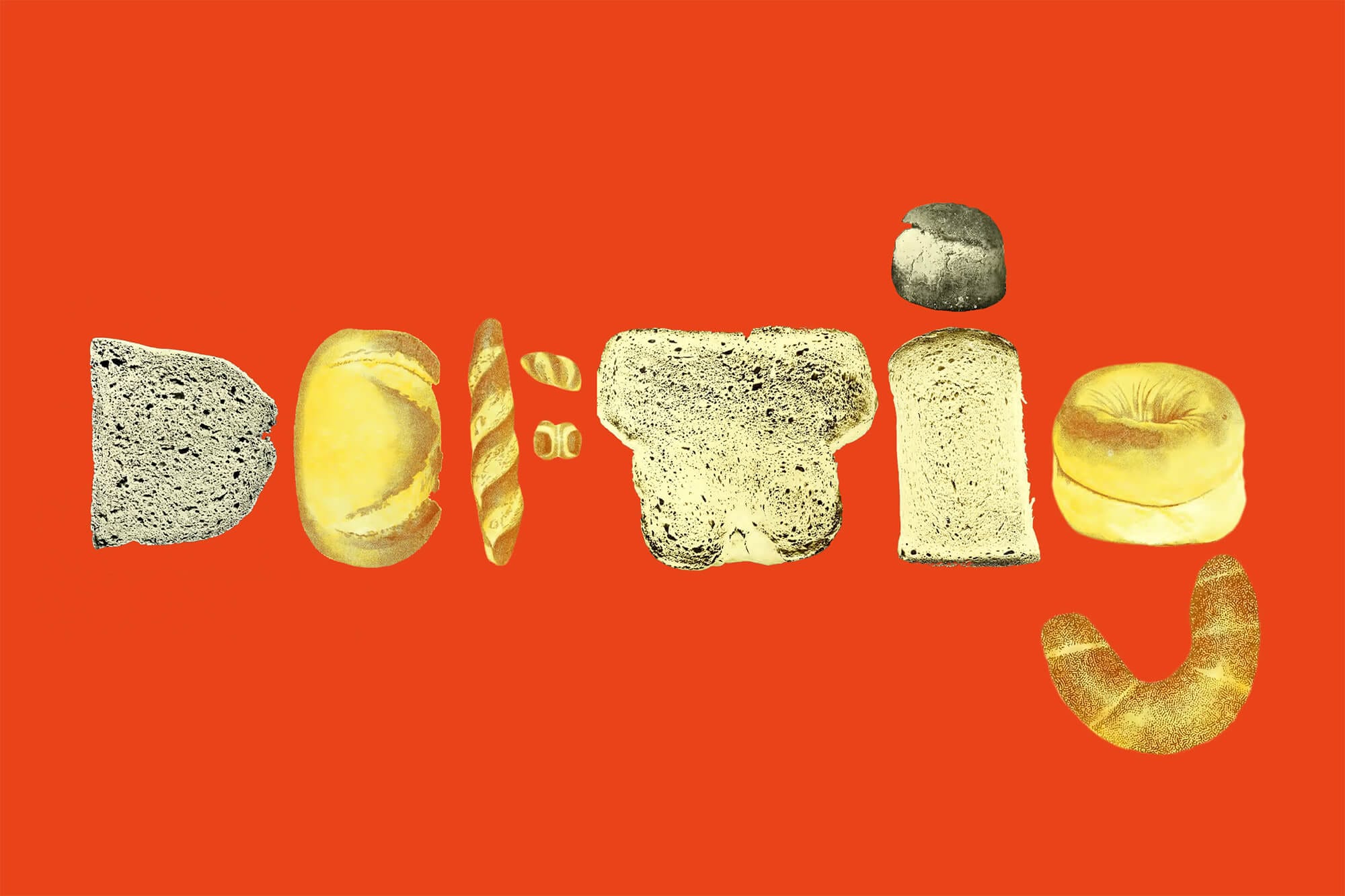
Cheap, Filling, and State-Subsidized
By Ben Miller
Berlin’s left party wants to build canteens for the people. How’s the food?
This Friday is May Day, aka International Workers’ Day, and Gourmet is waving the red flag all week to celebrate. Today, the Berlin-based writer Ben Miller tells us about the state-subsidized canteens on the platform in this year’s Berlin mayoral election. On Thursday, Miller is back with a full menu to cook up a German canteen meal for your own comrades. And Friday, Alex Tatusian shares the history of a worker’s cocktail in a bonus newsletter. Brot und rosen!
When I moved to Berlin nearly ten years ago, canteen recommendations came more often than restaurant recommendations. One of the first places I ever ate lunch in my beautiful wounded city was the spectacular and dearly departed canteen at Kreuzberg City Hall, perched ten stories above the streets, where I’d take breaks from writing and research to eat a nutritious, cheap, filling lunch surrounded by a motley crew of Berliners. Tucked into embassies, university buildings, and city halls, these dependable spots serve up familiar German classics. Main dishes cost between three and six euro, and are, above all else, deftig.