

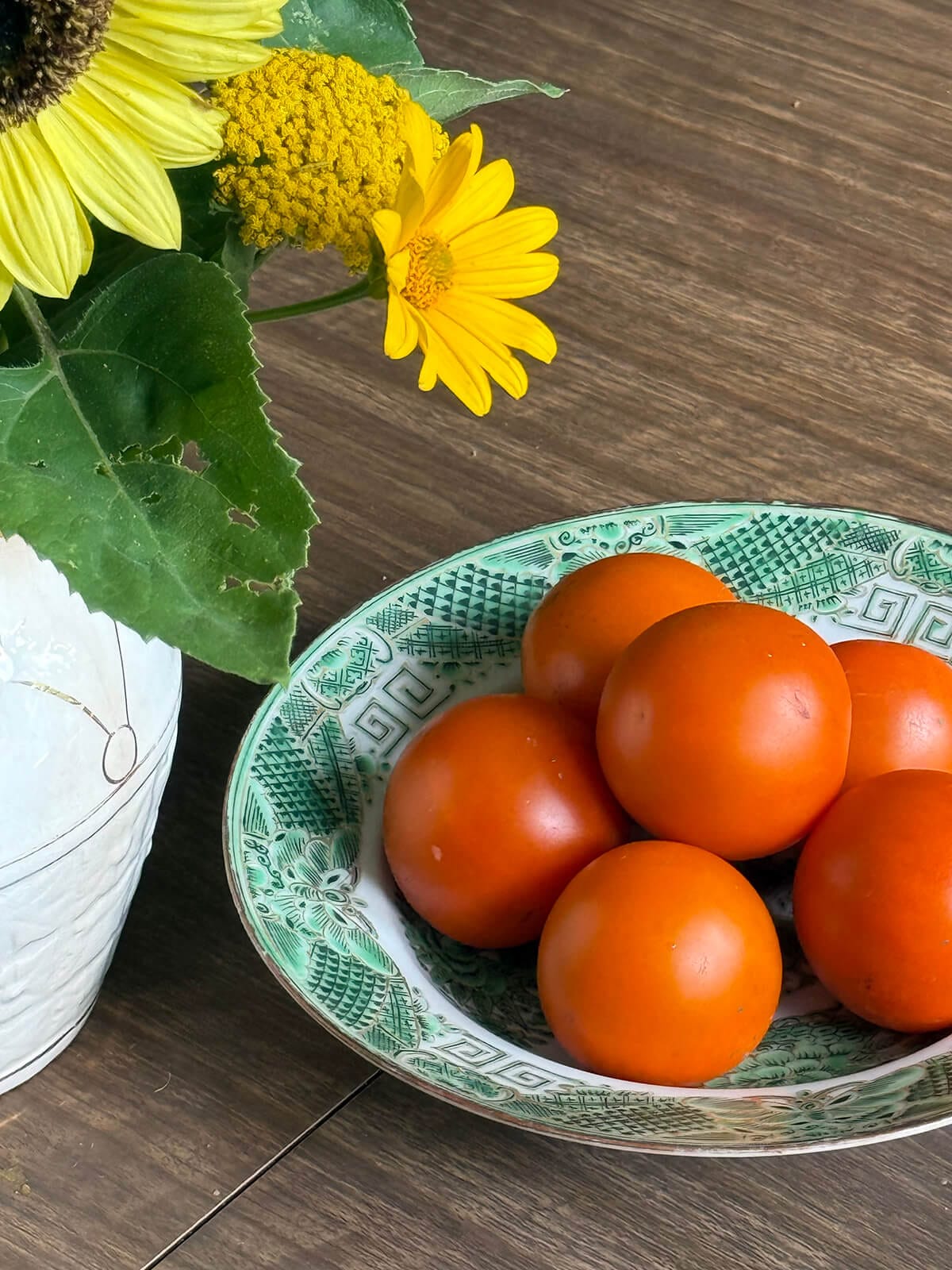
Tomatoes à la Pam Anderson
Welcome to Gourmet magazine, an independently owned digital food magazine that’s not affiliated with the Gourmet magazines of yore. Our Thursday editions are where we feature a great new recipe. Tuesday is for features.
IN THIS ISSUE: How the sausage (recipe title) is made, and taking cookbook search offline.
Appetizers
App-etized
Buying that big block of tamarind paste at 99 Ranch Market was a choice, one that I made impulsively. But I’m not going to let this tangy hunk go to waste: that’s not the Gourmet way. So what is a boy to do? From my utility belt, I whip out my cell phone and type “tamarind paste” into the CookShelf app. Forty-two recipes pop up. Forty-two recipes I already have in my library of eighty-two cookbooks—numbers I know because I spent twenty minutes feeding each book title into the app last week.
CookShelf is a recipe discovery and cookbook indexing platform powered by a community of engaged cooks, many of whom scan their own books and ensure that the tables of contents, ingredients lists, and indices are catalogued properly. The effect is not a searchable recipe database, but more of an atlas. Type in a recipe you want to cook or an ingredient you want to use, and the app will spit out the names of relevant recipes in every book you have, along with the other ingredients you’d need to cook them—but no actual cooking instructions.
The genius of the app is that it encourages you to use resources you already have (and have paid good money for). Unlike, say, the New York Times Cooking app, which inundates you with baby-proofed step-by-steps, videos, and reader comments, CookShelf helps cooks learn the ins and outs of their collections offline. The desktop version of the app goes by Eat Your Books—FRoG (Friend of Gourmet) Marian Bull wrote about the site late last year—and your data is shared between the two products.
Anywho, if this recommendation seems paradoxical coming from an outlet that publishes recipes on the internet, embrace the dissonance, pal. Life’s complicated. —Alex
What’s in a Name
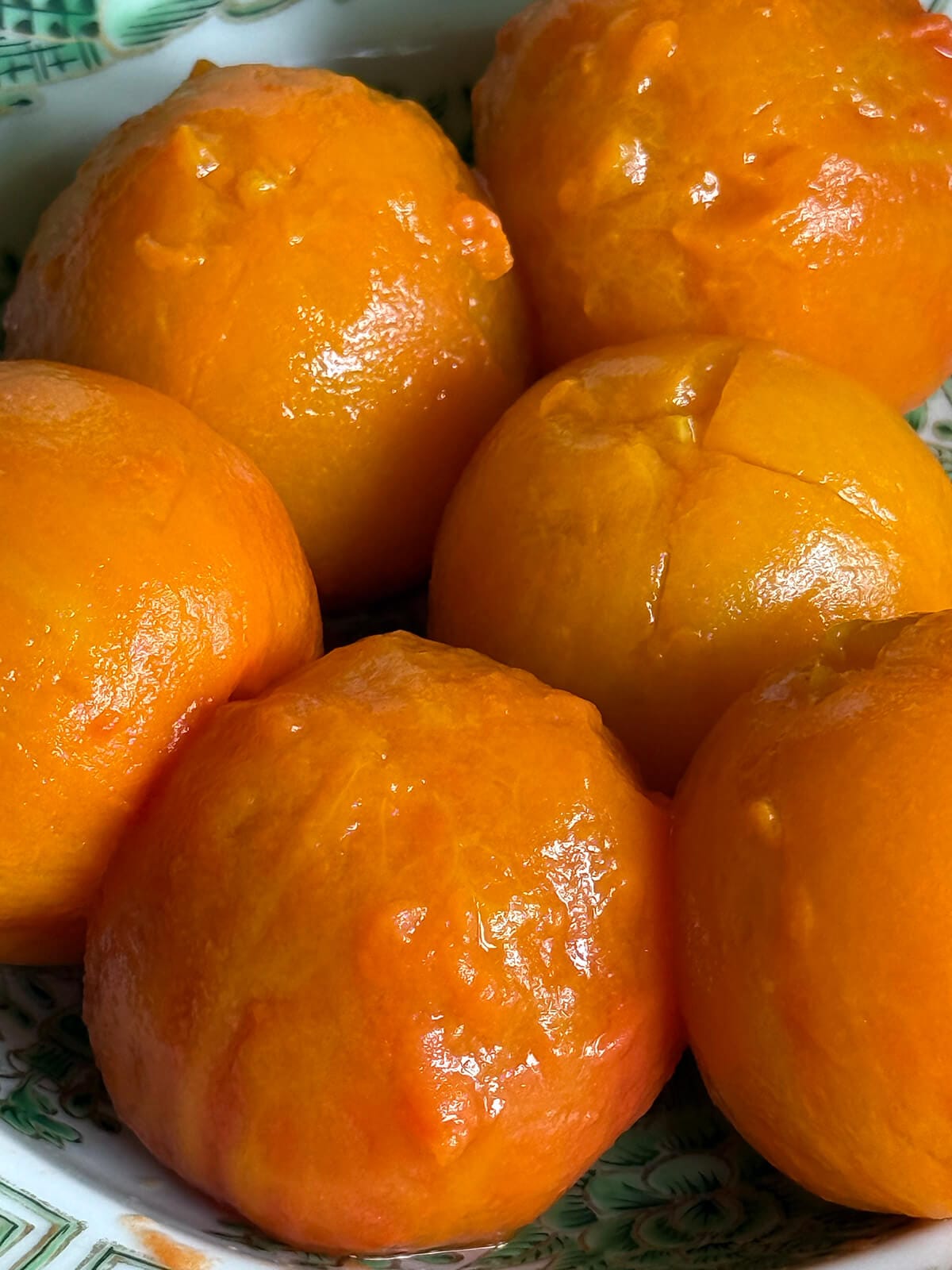
Naming recipes is one of the more fun and challenging aspects of this gig. A recipe title should be clear but evocative, legible enough that the reader knows they’re in for and simultaneously suffused with just enough whimsy to stand out. Today’s recipe from Shaina Loew-Banayan presented a special challenge: What would be the best modifier for the word “tomato” here? “Blanched and Peeled Tomatoes…” doesn’t really sing, does it? “Warm Tomatoes…” is accurate, and has a nice ring, but doesn’t really speak to the technique. I’m pretty happy with where we landed, but it is nice to reflect on what could have been; below, a bit of last minute back-and-forth with Shaina themselves. —Amiel


Tomatoes à la Pam Anderson
Let tomatoes be, sort of.
Do stuff to tomatoes but not too much stuff. After all, they are just arriving, and they are still proud. They are Good. They know it, too, which would be annoying, but they are fruit, and that makes it OK. The instinct may be to do nothing at all, since eating handfuls of fat cherry tomatoes is itself a way of seeing god. To do nothing is a fine instinct. To slice a tomato and salt it and put it on a plate is safe, really, because it is better than doing a lot. But even tomatoes can become bored, lonely, and sick of the nunnery.
Don’t do too much stuff to tomatoes. Do not, for example, blanch them, peel them, remove the horny pulp, dice them into unnatural squares, and then mix them into a fricassée of unknown desire. Do not be tempted to improve too much upon a perfect fruit.