

The Grande Dame of Country Cooking
Welcome to Gourmet magazine, an independently owned digital food magazine that’s not affiliated with the Gourmet magazines of yore. Our Thursday editions are where we feature a great new recipe. Tuesday is for features.
IN THIS ISSUE: How our elected leaders are as pro-hunger as they are pro-war and Tashkent Supermarket: They Have the (Canned) Beef.
Appetizers
Where’s the Beef
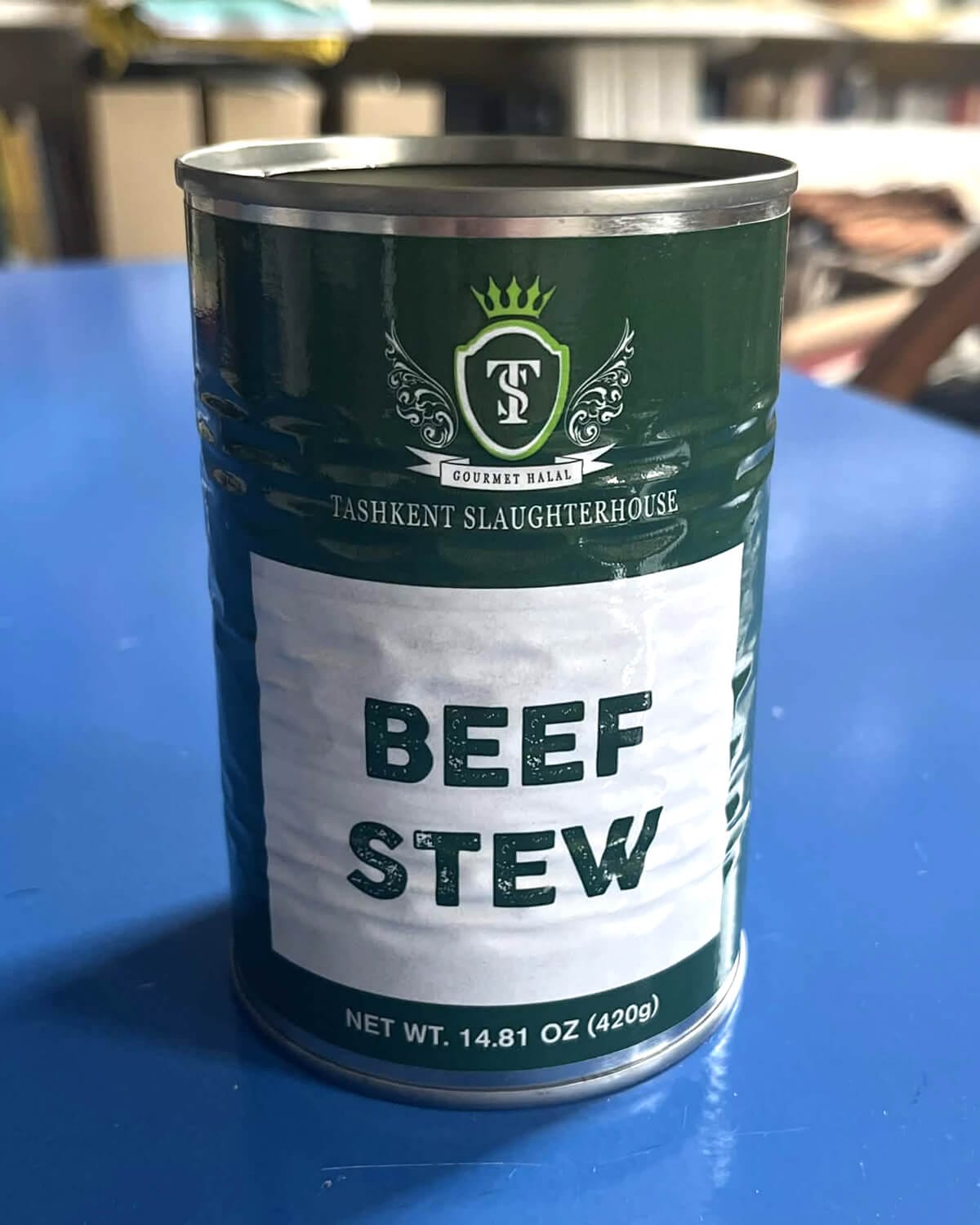
I’m a sucker for both weird graphic design and convenience food, so when I saw the stacked display of cans labeled BEEF STEW going for $8.99 each at the flagship Tashkent Supermarket in Brighton Beach, I added one to my cart. The ingredients seemed promising: halal prime beef, salt, whole black peppercorns, and bay leaves.
Over the weekend, a friend noticed the can on my pantry shelf, and I opened it up for us to explore. “Smells a little like dog food,” he said, the fate of all tinned meat. I gave it a taste and was more than pleasantly surprised: the chunks of beef, nestled in pure white fat, were tender, well-seasoned, and shredded easily under a knife. I ended up adding the beef to the week’s pot of freestyle Rancho Gordo beans to have at lunch.
I’ve since learned that “beef stew” is a fuzzy translation for tushonka, a Soviet-era potted meat product that seems to be equally loved as a nostalgic comfort food and loathed as a reminder of rationing. I don’t have any of those associations, and I would consider buying it again. Tashkent Supermarket has been expanding throughout New York City in the last few years; let me know if you enjoy a can. —N.S.
Food Not Bombs
Occasionally we like to take a break, pour ourselves a cup of tea, and reflect on a simple question: what kind of sickos are running this country?
A month after deciding to start a war with Iran, the Trump administration put out its budget proposal in early April: $500 billion more to the military, $7 billion less for food. The White House wants to cut funding for fruit and vegetable vouchers for women, infants, and children (WIC) by 75%, cut funding for SNAP benefits by around $6 billion (after cutting it by $187 billion over the next decade last year), and kill a number of smaller programs that pay for school lunches and other free food for kids.
The House Republican counter-proposal is less severe—but still cuts WIC’s fruit and vegetable funding by 10 percent. Meanwhile, the Pentagon just said the ongoing war has set $25 billion on fire, the oil shock from Iran’s closing of the Strait of Hormuz has cost people an estimated $25 billion from higher gas prices across the country, and food shortages are expected to strike later this year because fertilizer ships through the strait, too.
Read Civil Eats, if you don’t already, to keep up with our elected officials’ pro-hunger campaign (and congrats to Civil Eats for their many Beard award nominations). —S.D.

The Grande Dame of Country Cooking
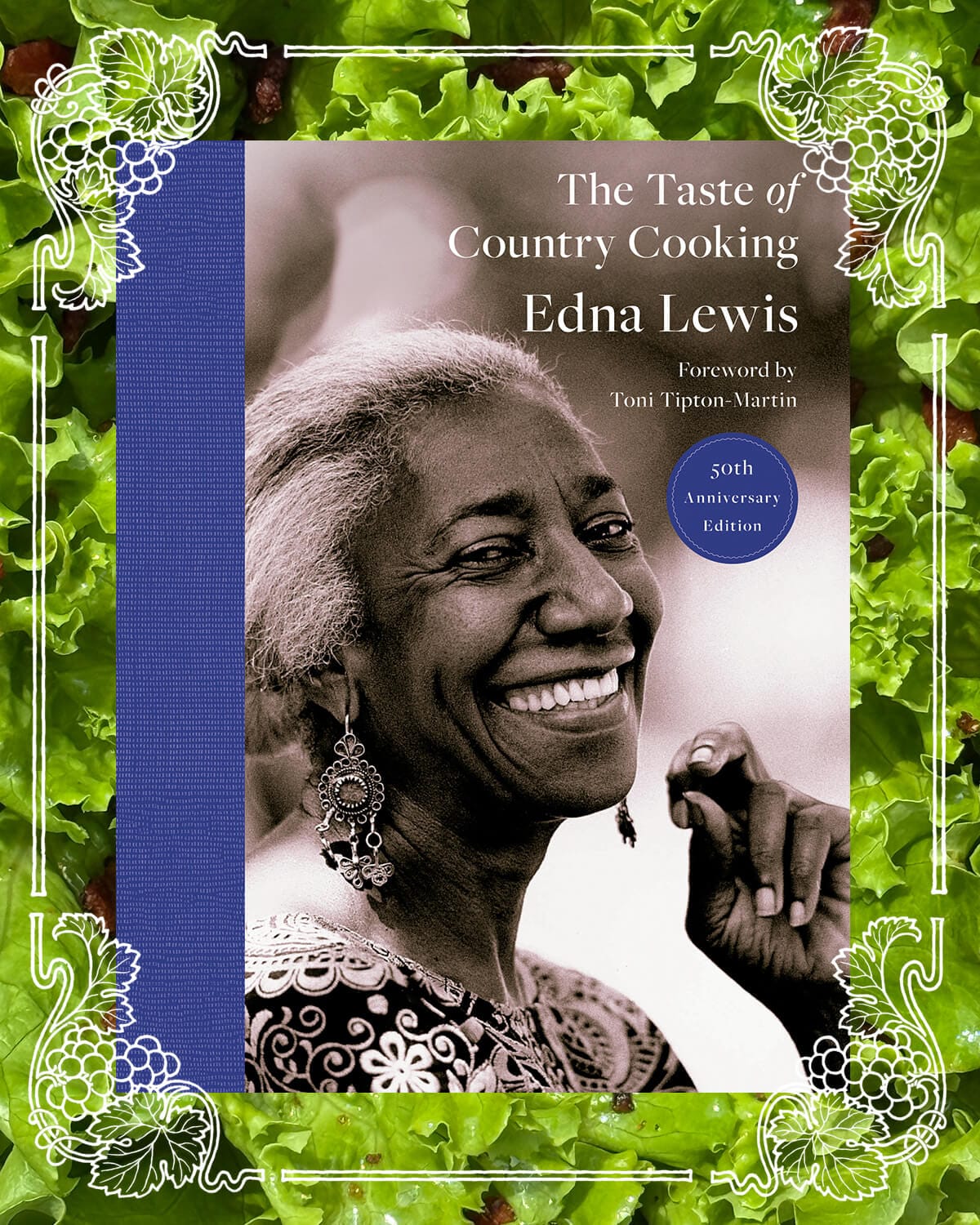
Toni Tipton-Martin introduces the fiftieth anniversary edition of Edna Lewis’s seminal work, The Taste of Country Cooking, plus the best wilted lettuce you’ll ever eat
Sixteen-year-old Edna Lewis left Freetown, Virginia in 1938, headed north, and went on to lead a life that’s staggering to behold. Lewis worked as a seamstress under Dorcas Avedon, eventually making a dress for Marilyn Monroe and releasing her own African-inspired designs. She would go on to typeset for the communist newspaper The Daily Worker, raise pheasants, cook at the legendary Gage & Tollner, and fight to preserve Southern foodways, which she did to the end of her life. Few have defined the canon of Black cooking in America as she has. When I reached out to Toni Tipton-Martin—contemporary culinary historian extraordinaire, and author of a couple of my favorite food books—about contributing to Gourmet, I was thrilled to hear she had written the foreword to the fiftieth anniversary edition of Edna Lewis’s The Taste of Country Cooking. Here’s that foreword (lucky you), followed by Lewis’s clever, technique-driven recipe from the updated book. —A.T.
I graduated from high school in Los Angeles the year that Edna Lewis’s The Taste of Country Cooking was published, and at the time I thought my mother’s experiments with enchiladas, chow mein, and tofu meant our eating habits were inauthentic compared with the Southern and soul dishes that marked Black foodways back then. Ms. Lewis’s wholesome, seasonal cooking, prepared with precision, changed that. She taught me that Mom’s fusion-style cooking wasn’t all that unusual among people migrating from one place to another. When we relocate, we mingle the local flavors and ingredients we encounter with learned or familiar techniques known back home, whether that home is in Africa, Europe, Asia, the Caribbean, or the American South. The cultural and regional blending that spiced up my family’s menus permeated Ms. Lewis’s integrated cooking style, too.
Today, Ms. Lewis is celebrated as the Grand Dame of Southern cooking, and as a champion of seasonal fare. Her approach to recipes and writing is enchanting and reverential, teaching us that the story of Black food is a story of naturally good food—with ingredients and methods that are deeply connected to the land and self-care.